
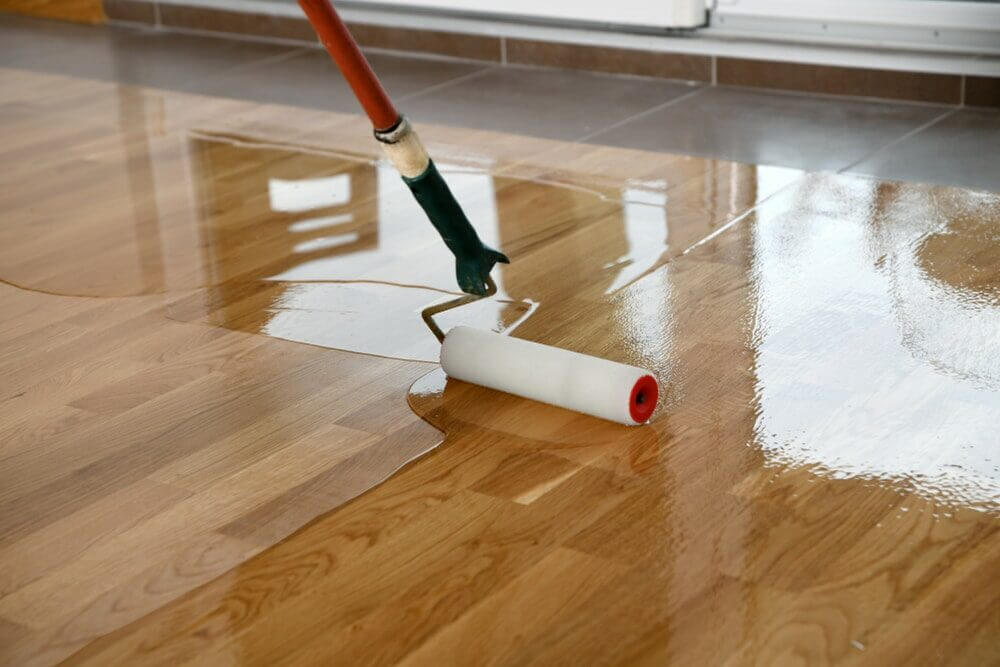
Understanding Floor Polishing
Wood floors can add warmth and character to a home, but everyday activity gradually affects their appearance. Foot traffic, furniture movement, dust, and small particles can leave surfaces looking dull. Polishing can refresh the visible finish and help maintain a cleaner, more attractive appearance when the flooring is suitable for the process.
Removing Everyday Surface Buildup
Regular cleaning removes loose dirt, but some residue can remain on the surface. Fine particles can also create tiny scratches as people walk across the floor. Before polishing, the floor should be cleaned thoroughly so dirt does not become trapped beneath the finishing product. Proper preparation is an important part of achieving an even result.
Restoring a Dull Appearance
Over time, a wood floor may lose some of its original shine. This does not always mean the entire floor needs refinishing. If the finish is still in reasonable condition, polishing may help improve its appearance and restore some surface luster. The appropriate treatment depends on the existing finish and the overall condition of the flooring.
Protecting the Existing Finish
A suitable polishing process can provide an additional layer of protection for certain finished wood floors. It may help reduce the effect of everyday wear and make the surface easier to maintain. Residential Wood Floor Polishing Services in Spring Valley CA can be useful for homeowners who want to improve the appearance of their flooring without immediately choosing a more extensive restoration project.
Preparing the Floor Properly
Preparation should come before any polishing product is applied. Furniture should be removed or moved carefully, loose debris should be cleared, and the surface should be cleaned according to the flooring manufacturer's recommendations. Any existing coating that is incompatible with the planned treatment may also need professional attention before polishing begins.
Understanding Different Wood Finishes
Not all wood floors have the same finish. Polyurethane, wax, oil-based finishes, and other coatings can respond differently to cleaning and polishing products. Using the wrong product may leave residue, create an uneven appearance, or interfere with future maintenance. Identifying the existing finish is therefore an important first step.
Addressing Minor Surface Wear
Small scuffs and light signs of everyday use can make flooring appear older than it really is. Polishing may improve the appearance of some surface-level wear when the underlying wood and finish remain intact. However, deep scratches, stains, gouges, and exposed wood may require sanding, refinishing, or repair instead of a simple polish.
Improving High-Traffic Areas
Entryways, hallways, living rooms, and kitchens often experience more foot traffic than other parts of a home. These areas can lose their finish faster and may show dull patches. Wood Flooring Services can help homeowners determine whether polishing is appropriate or whether a more extensive treatment is needed for heavily worn sections.
Avoiding Excessive Product
Applying too much polish can create its own problems. Heavy layers may leave a sticky or cloudy surface and can attract additional dust. Some products may also build up over repeated applications. Using the correct amount and following the manufacturer's recommendations can help maintain a cleaner, more natural appearance.
Protecting Floors During Furniture Movement
Furniture can create scratches and marks when it is dragged across wood flooring. Before moving heavy pieces after polishing, homeowners should use appropriate protective pads and lift furniture whenever practical. Felt pads under chair and table legs can also reduce everyday scratching caused by repeated movement.
Maintaining a Clean Surface
Regular maintenance can extend the time between professional treatments. Sweeping or vacuuming with suitable equipment can remove particles before they scratch the finish. Spills should also be cleaned promptly because prolonged moisture can affect some wood flooring materials. Cleaning products should always be compatible with the specific floor finish.
Knowing When Refinishing Is Better
Polishing is not a replacement for every type of wood floor restoration. If the finish is severely worn, the wood has deep scratches, or large areas are damaged, refinishing may be more suitable. Professional evaluation can help homeowners avoid spending money on a treatment that cannot address the actual condition of the floor.
Choosing Experienced Professionals
A professional should evaluate the flooring before recommending a polishing method. They can consider the wood species, existing finish, level of wear, previous treatments, and desired appearance. Homeowners should also ask what products will be used and whether the floor needs any repairs or preparation before the polishing process.
Keeping Wood Floors Attractive
Well-maintained wood flooring can remain attractive for many years with appropriate care. Regular cleaning, careful furniture handling, timely treatment of spills, and suitable professional maintenance can all contribute to its appearance. When polishing is appropriate for the existing finish, it can provide a practical way to refresh the floor without immediately undertaking a complete restoration.