
Understanding Your Outdoor Space
A well-maintained outdoor area can improve the appearance and usability of a property. Trees, plants, pathways, and open spaces all contribute to the overall character of a yard. Before making changes, it helps to understand the condition of the existing landscape and how the space is currently being used.
Assessing Tree Conditions
Trees can develop damaged branches, weak growth, disease, or structural problems over time. These conditions may affect their appearance and create concerns around buildings, driveways, walkways, and outdoor living areas. Regular assessment can help identify trees that require professional attention.
Removing Problematic Growth
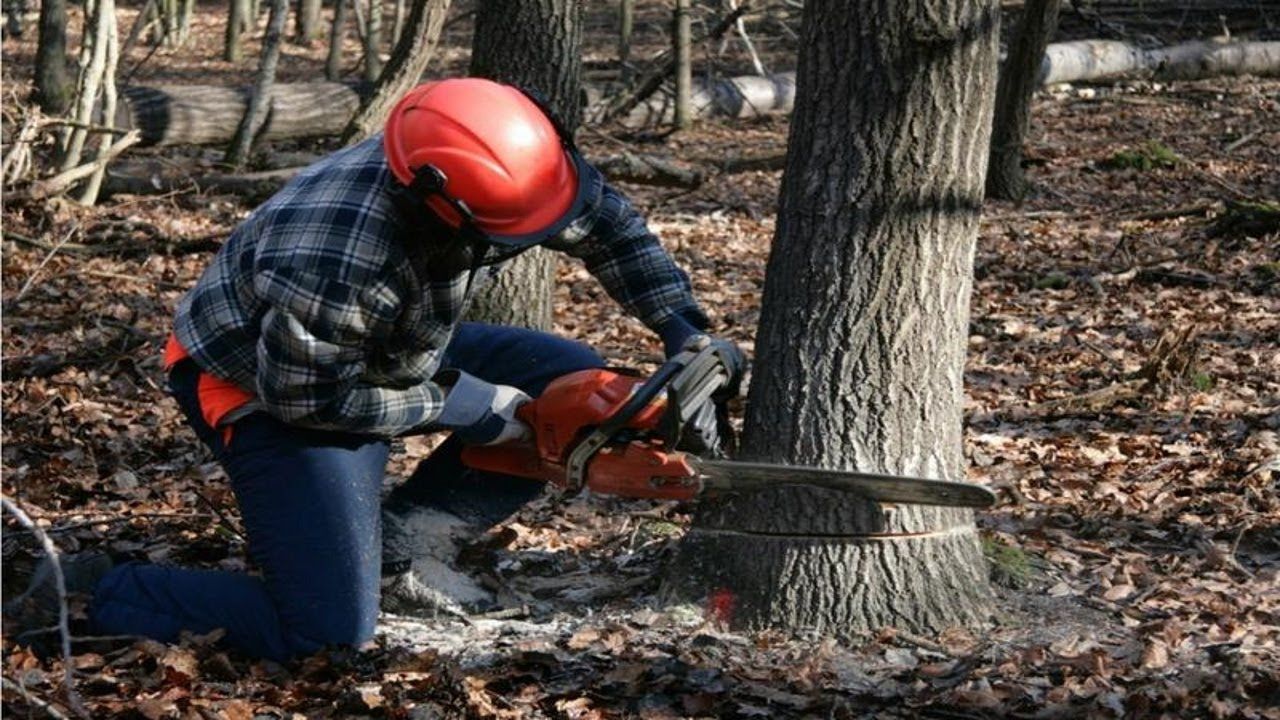
Some trees may need to be removed when they become severely damaged, unstable, or unsuitable for their location. Tree Cutting Services Dexter MI can help property owners handle difficult tree removal and cutting work safely. Professionals can evaluate the tree and surrounding area before determining the appropriate approach.
Protecting Nearby Property
Tree cutting requires careful planning when branches or trunks are close to structures. Buildings, fences, vehicles, utility lines, and other features can be affected if cutting is performed without proper control. Professional preparation can help reduce unnecessary risks and protect surrounding property.
Handling Tree Debris
Tree removal can leave behind branches, logs, leaves, and other debris. Clearing the work area helps restore the appearance of the property and keeps outdoor spaces easier to use. Larger pieces may also need to be cut into manageable sections before removal.
Planning a Functional Garden
Garden planning should consider more than appearance. The available space, sunlight, drainage, soil conditions, and intended use can all influence the design. A thoughtful layout can make the garden easier to maintain while creating a more attractive outdoor environment.
Selecting Suitable Plants
Plants should be selected according to the conditions where they will grow. Some require direct sunlight, while others perform better in shaded areas. Choosing plants that suit the local environment can support healthier growth and reduce unnecessary maintenance.
Creating Balanced Planting Areas
A balanced garden can combine different heights, textures, and seasonal features. Trees, shrubs, flowers, ground cover, and open areas can be arranged to create visual interest. Proper spacing also gives plants room to grow without overcrowding one another.
Improving Outdoor Functionality
A garden can be designed for more than decoration. Seating areas, walkways, privacy sections, planting beds, and open spaces can make the yard more useful. Planning these features together can create a smoother connection between the home and outdoor area.
Managing Water and Drainage
Water management is important for maintaining healthy landscaping. Poor drainage can leave certain areas too wet, while insufficient watering can affect plant growth. A suitable design should consider how water naturally moves through the property.
Creating a Consistent Design
Garden Design Services can help organize different landscape elements into a cohesive outdoor plan. Professional planning may consider plant placement, pathways, garden features, available space, and long-term maintenance. A consistent design can make the entire yard feel more organized.
Considering Seasonal Changes
Outdoor spaces change throughout the year. Some plants flower during specific seasons, while others provide structure through different weather conditions. Including a variety of plants can help maintain visual interest throughout the year.
Planning for Maintenance
A beautiful garden should also be practical to maintain. Plant spacing, access to planting beds, irrigation needs, pruning requirements, and seasonal cleanup should all be considered during planning. A manageable design can make regular yard care less demanding.
Reviewing Existing Landscape Features
Before adding new features, property owners should review what already works well. Healthy trees, established plants, existing pathways, and useful outdoor structures may be incorporated into the new design. Keeping suitable features can reduce unnecessary changes and preserve the property's existing character.
Improving Long-Term Appeal
Landscape improvements can change the way a property looks and feels. Proper tree care can keep outdoor areas safer and cleaner, while thoughtful garden planning can improve visual balance. Combining maintenance with intentional design can create lasting outdoor value.
Creating a Better Outdoor Environment
Successful landscaping depends on careful assessment, suitable plant choices, proper tree management, and practical planning. Each part of the property should work together rather than feeling disconnected. With thoughtful decisions and consistent maintenance, homeowners can create an outdoor space that remains attractive, functional, and enjoyable for years.