
Understanding Ant Infestations
Ants can enter homes and businesses through very small openings. Once they find food, water, or shelter, they may establish trails and colonies around the property. A few visible ants can sometimes indicate activity that extends beyond the area where they are noticed.
Recognizing Common Signs
Ant trails are one of the easiest signs of an infestation. Homeowners may also notice ants near windows, doors, sinks, cabinets, or other areas where moisture or food is available. Repeated activity in the same locations may indicate that a colony is nearby.
Finding Entry Points
Ants can enter through cracks around foundations, windows, doors, utility lines, and other openings. Small gaps may be enough for workers to move between indoor and outdoor areas. Identifying these entry points can help reduce opportunities for future infestations.
Removing Food Sources
Food can attract ants quickly, especially when crumbs, spills, or uncovered items remain accessible. Keeping kitchen surfaces clean and storing food in sealed containers can reduce available food sources. Trash should also be managed regularly to discourage unwanted activity.
Addressing Moisture
Water can attract ants just as strongly as food in certain situations. Leaking pipes, damp areas, clogged gutters, and standing water may create favorable conditions around a property. Fixing moisture problems can support broader pest prevention efforts.
Understanding Professional Treatment
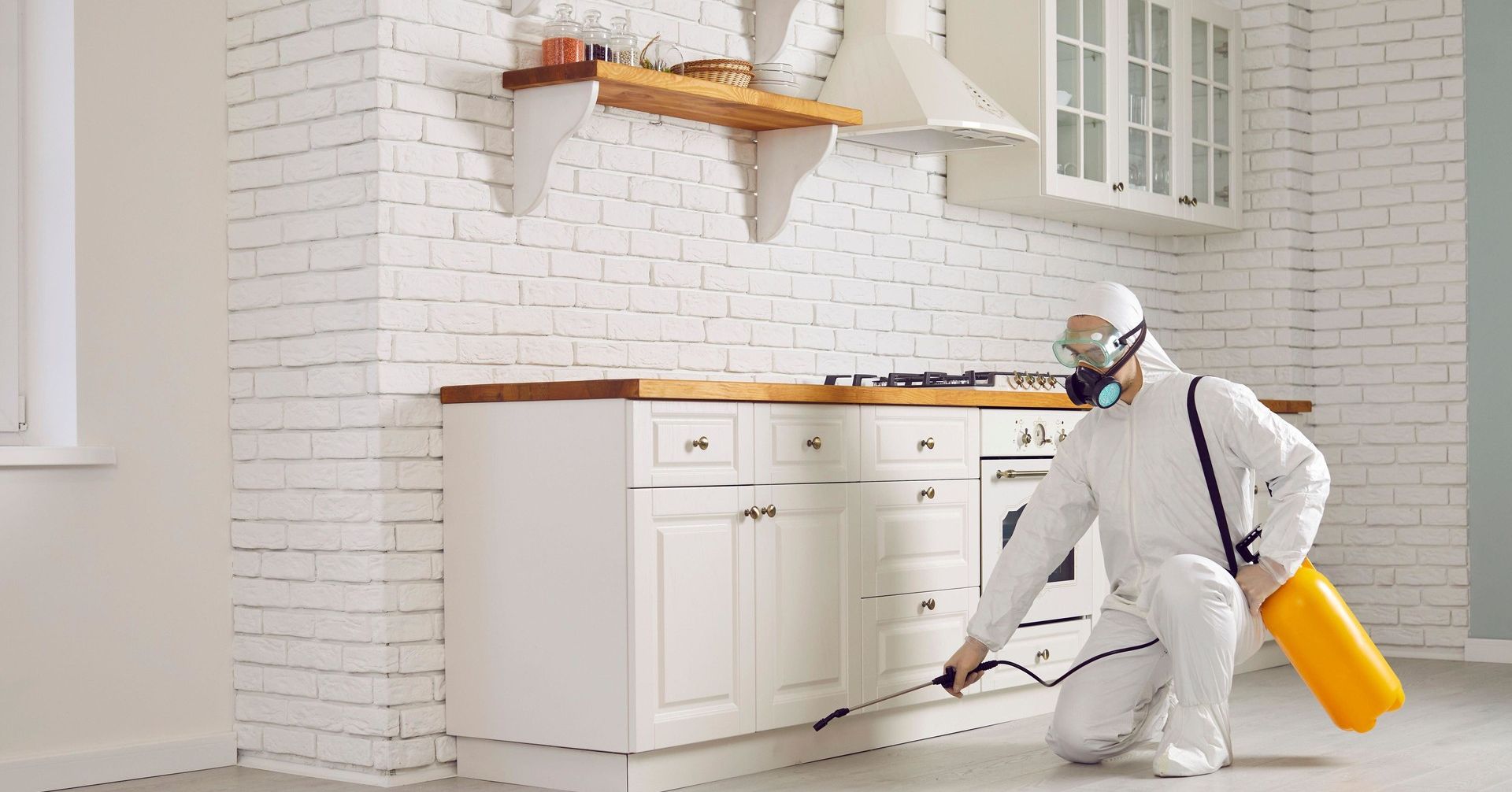
Ants Removal Company Fort Wayne IN services can help property owners identify and address ant infestations. Professionals can inspect common activity areas, locate potential nesting sites, and determine an appropriate treatment approach. The solution may depend on the ant species, infestation size, and location.
Treating the Source
Simply removing visible ants may not solve the underlying problem. Colonies can remain hidden inside walls, beneath floors, outdoors, or in other protected areas. Professional treatment focuses on understanding where the activity originates rather than only addressing what is visible.
Protecting Indoor Areas
Ants can become particularly frustrating when they repeatedly enter kitchens, bathrooms, storage areas, and other occupied spaces. Sealing cracks and maintaining clean surfaces can help reduce access. Regular inspection can also make new activity easier to identify.
Maintaining Outdoor Areas
Outdoor conditions can influence indoor pest activity. Overgrown vegetation, piles of wood, excessive debris, and moisture around foundations may provide shelter for ants. Keeping the exterior maintained can reduce some potential nesting and entry opportunities.
Choosing Professional Pest Support
Licensed Pest Control Services can provide trained assistance for different pest problems around residential and commercial properties. Professionals can assess the situation and recommend treatment based on the property's specific conditions. Licensing and proper training can also support safer and more responsible pest management.
Avoiding Unnecessary DIY Treatment
Homeowners may be tempted to use multiple products when they see ants. Using unsuitable treatments or applying excessive amounts may not address the colony and can create additional concerns. Professional evaluation can help determine which approach is appropriate.
Preventing Recurring Activity
Long-term ant control requires more than treating visible trails. Entry points, food sources, moisture conditions, and outdoor nesting areas should also be considered. Addressing these factors can make the property less attractive to future ant activity.
Checking for Hidden Colonies
Some ant colonies can develop in concealed areas. Wall voids, foundations, landscaping, crawl spaces, and other protected locations may provide suitable nesting conditions. Professional inspection can help determine whether activity extends beyond the areas where ants are visible.
Monitoring After Treatment
After treatment, property owners should continue watching for signs of activity. A temporary reduction in visible ants does not always mean the underlying issue has been completely resolved. Continued monitoring can help identify whether additional attention is needed.
Keeping Your Property Protected
Ant control works best when treatment and prevention are combined. Maintaining clean areas, controlling moisture, sealing openings, and addressing activity early can all support better protection. Professional assistance can provide additional guidance when infestations continue despite regular maintenance.
Maintaining a Pest-Free Environment
Ants can become a recurring problem when colonies have easy access to food, water, and shelter. Understanding the source of activity and addressing contributing conditions can help reduce future concerns. With proper prevention and professional treatment when necessary, property owners can maintain a cleaner and more comfortable environment.