
Understanding Restoration Needs
Property damage can affect the appearance, safety, and functionality of a building. Water, storms, fire, aging materials, and other problems may leave different areas needing professional attention. A proper assessment can help determine what needs to be repaired, replaced, or restored.
Inspecting the Property
A detailed inspection is an important first step in the restoration process. Walls, ceilings, floors, roofing, exterior surfaces, and structural areas may all need to be checked. Finding visible and hidden problems early can help prevent additional damage.
Protecting Damaged Areas
Damaged sections of a property may need temporary protection before permanent repairs begin. Open walls, broken surfaces, and exposed areas can be vulnerable to moisture and weather. Protecting these locations can help keep the condition from becoming worse.
Addressing Water Damage
Water can affect many building materials, even when the visible moisture seems limited. Flooring, drywall, wood, insulation, and ceilings can absorb water and require careful inspection. Proper drying and repair can help reduce the chance of continued deterioration.
Repairing Exterior Surfaces
Exterior areas protect the property from changing weather conditions. Cracked surfaces, damaged siding, deteriorated materials, and other exterior problems can affect both appearance and protection. Proper repairs can restore these areas and help them perform more effectively.
Restoring Interior Areas
Interior restoration may involve walls, ceilings, flooring, trim, doors, and other finished surfaces. Damaged materials may need cleaning, repair, refinishing, or replacement depending on their condition. Careful finishing can help restored areas blend with the surrounding interior.
Coordinating Different Repairs
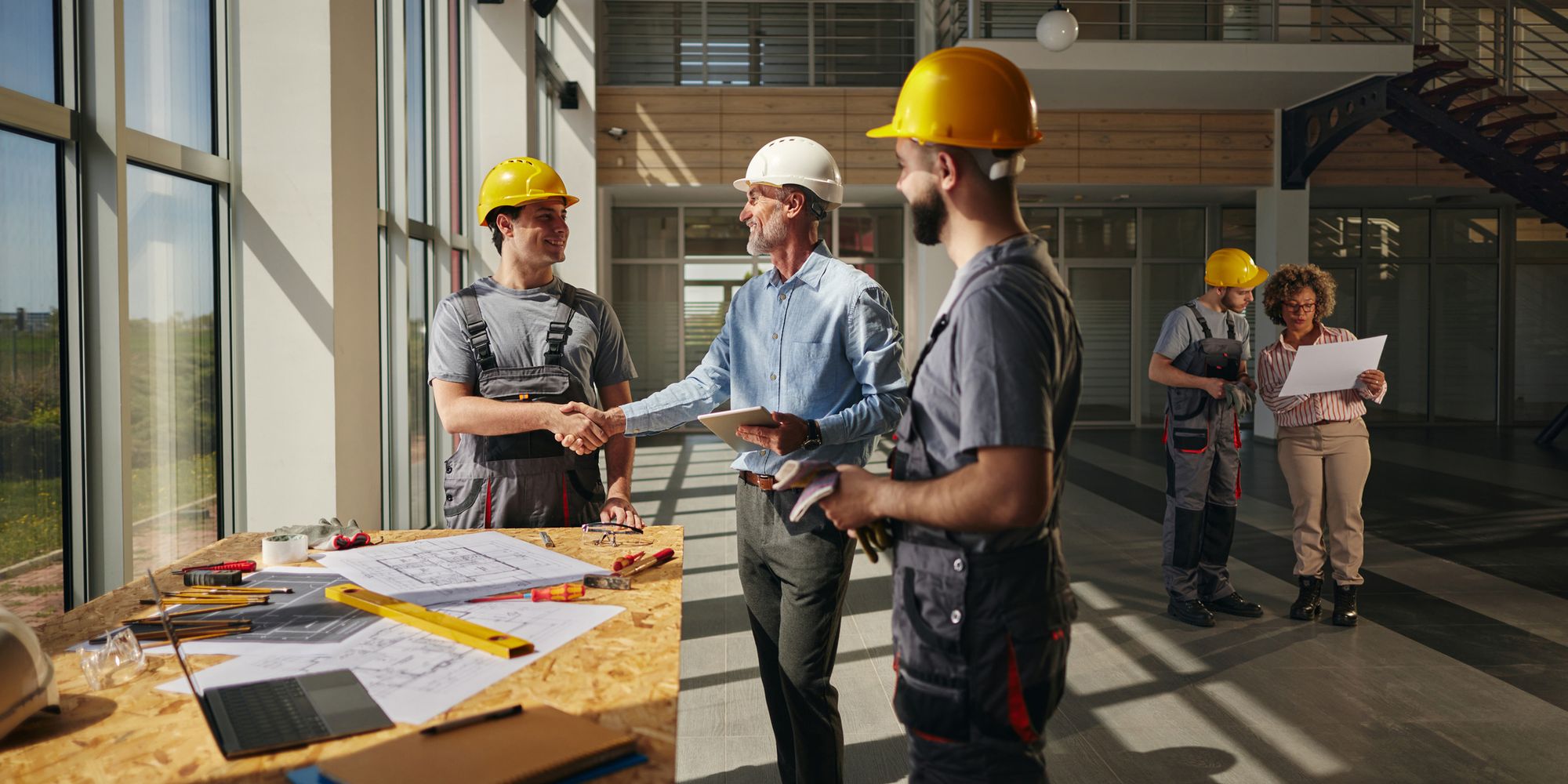
Restoration projects often involve several types of work. Local restoration contractors Bronx can help property owners coordinate repairs involving different areas of a building. Proper scheduling helps ensure that one stage does not interfere with another.
Planning Construction Work
Some restoration projects require more extensive rebuilding. Walls, structural elements, flooring, roofing, or other parts of the property may need to be reconstructed. A clear plan can help organize materials, labor, timelines, and project requirements.
Choosing Suitable Materials
The right materials can make a significant difference in restoration quality. Products should be selected according to the location, condition, and intended use of each area. Suitable materials can support durability while helping repairs match the existing property.
Maintaining Quality Work
Good workmanship is essential for a successful restoration project. Uneven repairs, poor finishing, or rushed installation can become noticeable once the work is complete. Regular inspections during construction can help identify and correct problems early.
Managing Larger Projects
Construction company Bronx NY services can help with larger restoration, rebuilding, and improvement projects. Professional coordination can make it easier to manage workers, materials, schedules, and different construction stages. This can provide property owners with a more organized restoration process.
Considering Property Safety
Damaged properties may contain hazards that are not immediately visible. Exposed materials, unstable surfaces, electrical concerns, and construction debris can create risks for occupants. Proper site management helps keep people away from unsafe areas while work is underway.
Reviewing Completed Work
A final inspection gives property owners an opportunity to review the finished restoration. Repaired walls, ceilings, floors, exterior surfaces, and other areas should be checked for visible problems. Any remaining concerns can then be addressed before the project is completed.
Planning for Future Maintenance
Restoration should provide more than a temporary improvement. Property owners should continue checking repaired areas for moisture, cracks, surface damage, or other changes. Regular maintenance can help protect the work and identify new concerns before they become serious.
Restoring Your Property
A successful restoration project requires careful inspection, proper planning, suitable materials, and consistent workmanship. Each property has different requirements, so the restoration process should be based on its actual condition.
With organized repairs and professional attention to detail, damaged areas can be returned to a more functional and attractive condition. Proper maintenance afterward can also help preserve the improvements for years.