
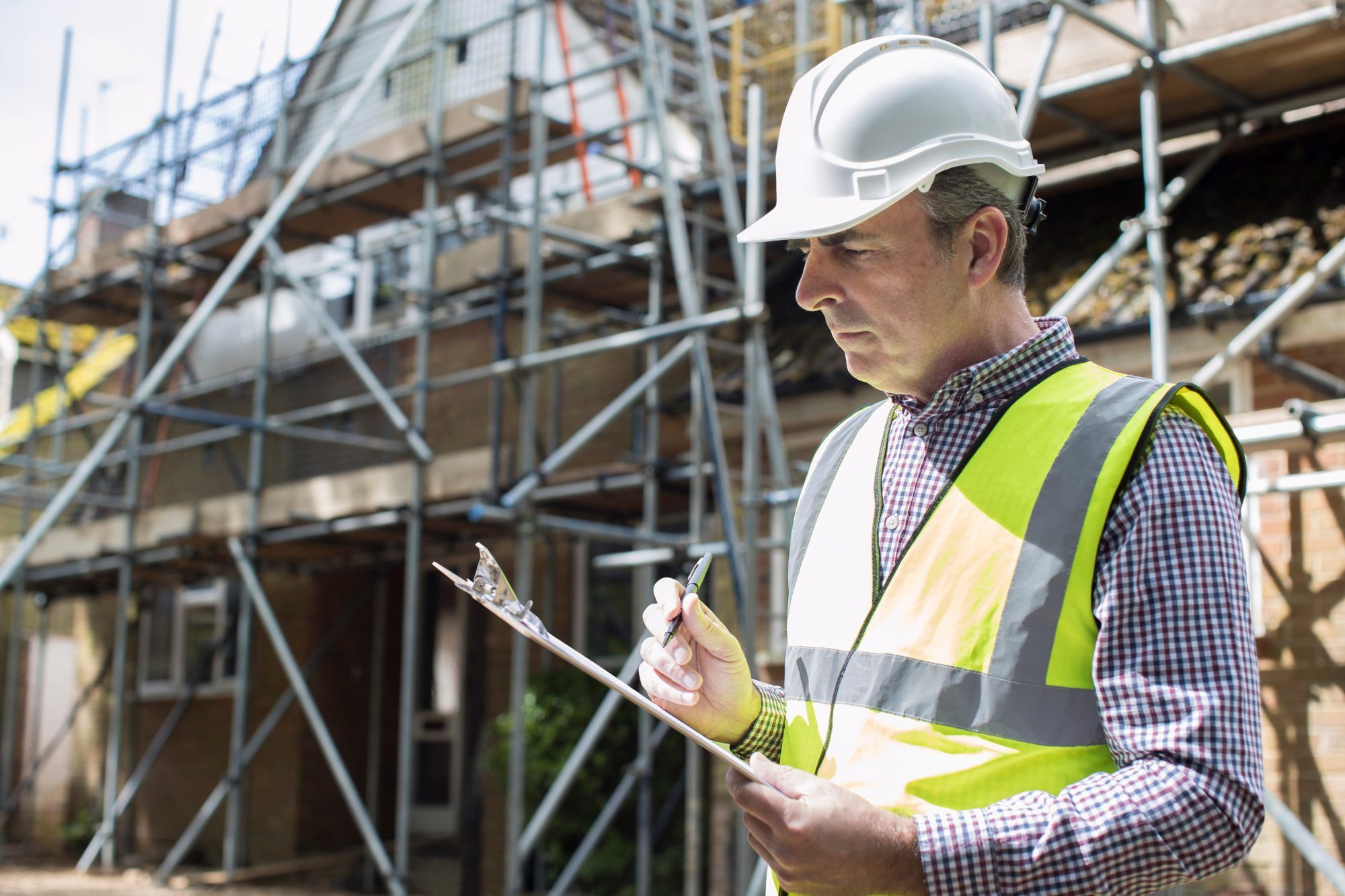
Understanding the Inspection Process
A commercial property inspection provides a detailed look at a building's visible and accessible condition. Unlike a basic walkthrough, the process considers major structural components, roofing, electrical systems, plumbing, HVAC equipment, exterior areas, and other important building features. The findings can help owners, buyers, investors, and managers understand existing problems and plan future maintenance.
Reviewing the Building Structure
The structure supports every other part of a commercial property, making it an important inspection area. Inspectors may examine accessible foundations, walls, columns, beams, floors, and other structural components for visible cracks, movement, deterioration, or moisture-related concerns. Identifying these conditions early can help property owners determine whether a specialist should perform a more detailed evaluation.
Examining the Roof
Commercial roofs can represent a significant maintenance expense, so their condition deserves careful attention. Inspectors may look for damaged roofing materials, ponding water, deteriorated flashing, drainage problems, visible leaks, and previous repairs. Understanding the roof's current condition can help owners plan maintenance and avoid being surprised by major repair needs.
Checking Exterior Components
The building envelope helps protect the interior from weather and moisture. During an inspection, accessible walls, windows, doors, exterior finishes, sealants, and drainage areas may be reviewed. Signs of cracking, deterioration, water intrusion, or damaged materials can indicate areas that need maintenance. Site features such as parking areas and walkways may also require attention.
Evaluating Major Building Systems
Commercial properties depend on several systems working together. Inspectors commonly review visible and accessible electrical, plumbing, heating, ventilation, and cooling components. Commercial Property Inspection Services in Westgate NY can help property owners obtain a clearer understanding of these systems and identify conditions that may require further investigation or repair.
Looking for Safety Concerns
Safety is another important part of a commercial inspection. Inspectors may observe exit routes, stairs, handrails, emergency lighting, fire safety equipment, and other accessible features. They can document visible concerns that may affect occupants or visitors. Specialized fire, engineering, or code evaluations may be necessary when a more detailed assessment is required.
Checking Interior Spaces
Interior areas can reveal problems that are not immediately visible from outside. Walls, ceilings, floors, doors, windows, restrooms, kitchens, storage areas, and mechanical rooms may be reviewed depending on the property's scope and accessibility. Water stains, damaged finishes, poor ventilation, and other visible conditions can provide useful clues about maintenance needs.
Reviewing Plumbing Conditions
Plumbing problems can disrupt business operations and cause expensive water damage. Inspectors may examine accessible supply piping, drainage components, fixtures, water heaters, and visible connections. Leaks, corrosion, staining, poor drainage, or aging equipment can be documented for further attention. Early identification allows property owners to plan repairs before problems become more disruptive.
Examining Electrical Systems
Commercial electrical systems can be more complex than those found in typical homes. Inspectors may review accessible panels, wiring, lighting, outlets, service equipment, and visible signs of overheating or deterioration. Building inspectors should clearly document observed deficiencies while recognizing that specialized electrical testing may require a licensed electrician or other qualified professional.
Assessing HVAC Equipment
Heating and cooling systems directly affect occupant comfort and business operations. Inspectors can review accessible equipment, visible ductwork, controls, condensate drainage, and general operating conditions. Age, maintenance history, unusual sounds, and visible deterioration can provide useful information about future service requirements.
Identifying Maintenance Priorities
Not every inspection finding requires immediate replacement. Some conditions may involve routine maintenance, while others may indicate a need for prompt repair or specialist evaluation. A clear report can help property owners prioritize concerns based on their potential impact. This information can also support budgeting for future maintenance and capital improvements.
Choosing the Right Inspector
Commercial buildings differ greatly in size, construction, purpose, and system complexity. A warehouse may have different inspection requirements than an office, retail property, restaurant, or mixed-use building. Choosing an inspector with relevant commercial experience can help ensure that important areas receive appropriate attention.
Using the Inspection Report
The final report gives property owners a written record of observed conditions. Photos, descriptions, system-by-system findings, and recommendations can make the information easier to understand and use. Buyers may use the report during due diligence, while existing owners can use it to organize repairs and long-term maintenance plans.
Making Better Property Decisions
A commercial inspection cannot reveal every hidden defect or predict every future failure. It provides a snapshot of accessible conditions at the time of the inspection. By combining professional findings with specialist evaluations when necessary, property owners and buyers can make better-informed decisions about repairs, investments, maintenance, and the future use of the building.