
Understanding Your Kitchen Needs
A kitchen renovation can improve how a home looks and functions. Before work begins, homeowners should consider their daily routines, available space, storage needs, and preferred layout. A clear plan can make the renovation more organized and practical.
Evaluating the Existing Layout
The current kitchen layout should be reviewed before making major changes. The position of sinks, appliances, cabinets, doors, and walkways can affect how easily people move through the room. Identifying limitations early can help create a more efficient arrangement.
Planning the Plumbing
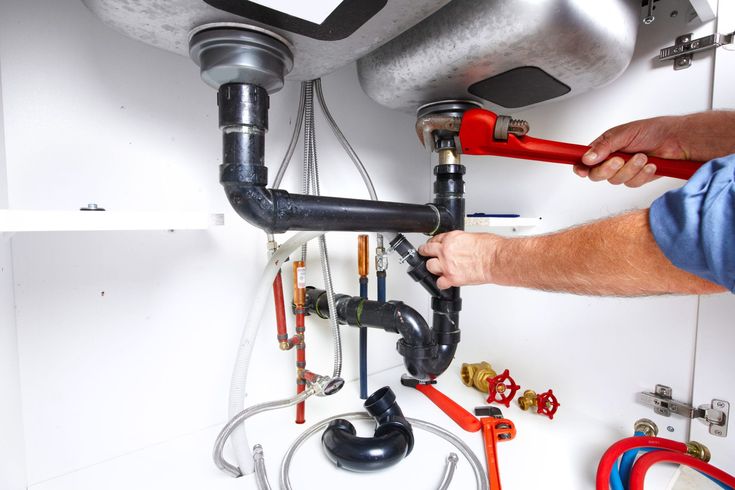
Plumbing is an important part of any kitchen renovation. Water supply lines, drains, faucets, sinks, and appliance connections need to be positioned correctly. Proper planning can help prevent leaks, drainage problems, and unnecessary changes later.
Installing Water Connections
Kitchen Plumbing Installation Services Stella NC can help with new or updated kitchen water connections. Professional installation may involve sink connections, supply lines, drains, faucets, and other plumbing components. Careful installation can support reliable water flow and reduce the risk of future problems.
Choosing Practical Cabinets
Cabinets provide essential storage while also influencing the kitchen's overall appearance. Their size, layout, materials, and placement should work with the available space. Well-planned cabinets can make everyday cooking and organization more convenient.
Improving Storage Capacity
A kitchen can quickly become cluttered when storage is limited. Drawers, shelves, cabinets, and dedicated spaces for appliances can help keep frequently used items organized. Planning storage around actual household needs can make the room easier to use.
Selecting Durable Materials
Kitchen surfaces experience regular exposure to heat, moisture, spills, and daily activity. Countertops, cabinets, flooring, backsplashes, and other materials should be selected with these conditions in mind. Durable choices can help maintain the appearance of the kitchen over time.
Coordinating Different Features
A kitchen renovation often involves several connected elements. Plumbing, cabinetry, flooring, lighting, electrical work, appliances, and wall finishes may all need to be completed in a specific order. Proper coordination can prevent one stage from interfering with another.
Creating a Comfortable Workflow
The placement of major kitchen features can affect how easily people prepare food and move around the room. Sinks, cooking areas, refrigerators, and storage should be arranged with everyday activities in mind. A thoughtful layout can make the kitchen feel more comfortable and efficient.
Focusing on Quality Cabinetry
Premium Cabinetry and Renovation Stella NC can help homeowners create a kitchen that combines storage, appearance, and practical design. Quality cabinetry can provide organized storage while contributing to the overall style of the room. Careful installation is also important for achieving a clean and consistent finish.
Considering Lighting
Lighting can change the way a kitchen looks and functions. General lighting can brighten the room, while focused lighting can help illuminate counters, sinks, and cooking areas. Planning lighting alongside the cabinet and layout design can produce a more balanced result.
Managing Moisture Concerns
Water exposure is common in kitchens, especially around sinks and plumbing connections. Leaks should be addressed quickly to reduce the chance of damage to cabinets, flooring, and walls. Proper sealing and installation can also help protect nearby materials.
Preparing for Appliance Installation
Kitchen appliances need appropriate space and connections. Refrigerators, dishwashers, ovens, and other appliances should be considered during the design stage. Planning these requirements early can help avoid problems when the final installation takes place.
Reviewing the Finished Work
The completed kitchen should be carefully inspected before the renovation is considered finished. Cabinets, plumbing connections, countertops, flooring, fixtures, and other features should be checked for visible problems. Any necessary adjustments can then be completed while the work area is still accessible.
Planning for Long-Term Use
A successful kitchen renovation should remain practical after the initial excitement wears off. Durable materials, useful storage, reliable plumbing, and an efficient layout can provide lasting value. Homeowners should prioritize features that support how the kitchen will actually be used.
Enjoying a Better Kitchen
A well-planned renovation can make the kitchen more attractive, organized, and comfortable. Careful plumbing work, thoughtful cabinetry, suitable materials, and proper coordination all contribute to a successful result. With attention to both design and functionality, homeowners can create a kitchen that serves their needs for years.