
Understanding Flood Damage
Flooding can affect many parts of a property within a short period. Water can damage flooring, walls, furniture, insulation, and other interior materials. Even when the visible water disappears, moisture can remain underneath surfaces and create additional concerns.
Acting Quickly After Water Enters
Quick action can help limit the effects of water damage. Standing water should be addressed as soon as possible, while affected areas should receive proper inspection. Delaying cleanup can allow moisture to spread into materials that may be difficult to dry.
Checking Different Areas
Water does not always remain where it first entered the property. It can move beneath flooring, along walls, and into hidden spaces. A thorough assessment can help determine which areas have been affected and what type of restoration may be necessary.
Protecting Interior Materials
Different materials react to water in different ways. Some surfaces may be cleaned and restored, while others may require replacement depending on the extent of the damage. Professionals can evaluate the condition of affected materials before deciding what should happen next.
Evaluating Carpet Damage
Carpets can absorb significant amounts of water during a flood. Moisture can reach the carpet backing, padding, and underlying floor, making complete drying more difficult. The condition of the carpet should be assessed carefully before restoration work begins.
Restoring Affected Carpets
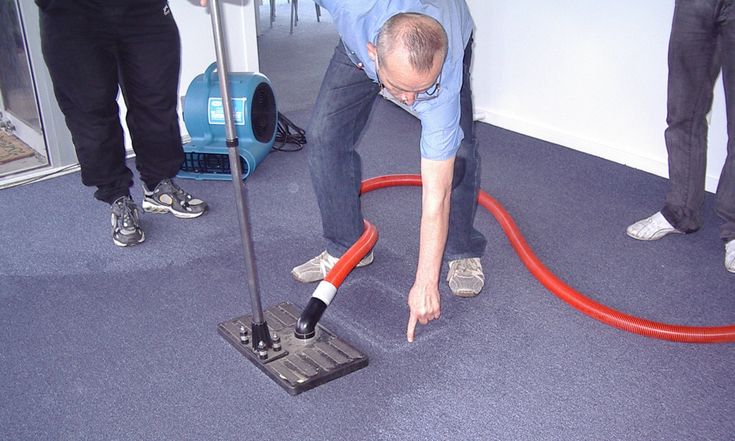
Carpet Surface Restoration can help improve carpets that have experienced water exposure and surface damage. Depending on the condition, restoration may involve cleaning, drying, stain treatment, or other specialized procedures. Proper evaluation is important because not every carpet can be restored in the same way.
Removing Excess Moisture
Drying is one of the most important parts of flood recovery. Moisture can remain inside carpets, walls, flooring, and other materials even when surfaces appear dry. Professional equipment can help remove moisture more effectively and support proper drying throughout affected areas.
Checking for Hidden Moisture
Visible dryness does not always mean that a property is completely dry. Moisture can remain beneath carpets, behind walls, under flooring, or inside other concealed areas. Checking these locations can help identify problems before they become more difficult to manage.
Addressing Odors
Floodwater can leave unpleasant odors behind, especially when moisture remains trapped in materials. Cleaning and thorough drying can help reduce these smells. If odors continue, additional inspection may be needed to identify the source.
Protecting the Flooring
Floodwater can affect the surface underneath carpeting and other floor coverings. Wooden flooring, subfloors, and other materials may absorb moisture and require careful evaluation. Proper drying can help reduce the chance of long-term deterioration.
Understanding Professional Repair
Flood Damage Repair Services can help property owners manage different stages of recovery after water damage. Professional work may include water removal, drying, cleaning, material assessment, and restoration. The exact approach depends on the amount of water and the condition of the affected property.
Handling Damaged Materials
Not every material should automatically be discarded after flooding. Some items may be successfully cleaned and restored, while severely damaged materials may need replacement. A professional assessment can help determine the most practical approach for each affected area.
Preventing Additional Problems
After the immediate damage has been addressed, property owners should consider how future water problems can be reduced. Leaking pipes, poor drainage, damaged seals, and other sources of water intrusion should be identified and corrected when possible.
Checking the Property After Restoration
A final inspection can help confirm that affected areas have received proper attention. Carpets, flooring, walls, and other surfaces should be checked for remaining moisture or visible damage. This review can also identify areas that may require additional work.
Planning for Future Protection
Flood preparedness can reduce the impact of future water incidents. Keeping important belongings elevated, maintaining drainage systems, and knowing where water supplies can be shut off are useful precautions. Regular property maintenance can also help identify vulnerabilities before flooding occurs.
Restoring a Comfortable Interior
Flood damage can disrupt normal routines and affect the appearance of a property. Careful cleanup, drying, repair, and restoration can help return the space to a more usable condition. With timely attention and appropriate professional support, property owners can work toward restoring comfort and protecting their investment.