
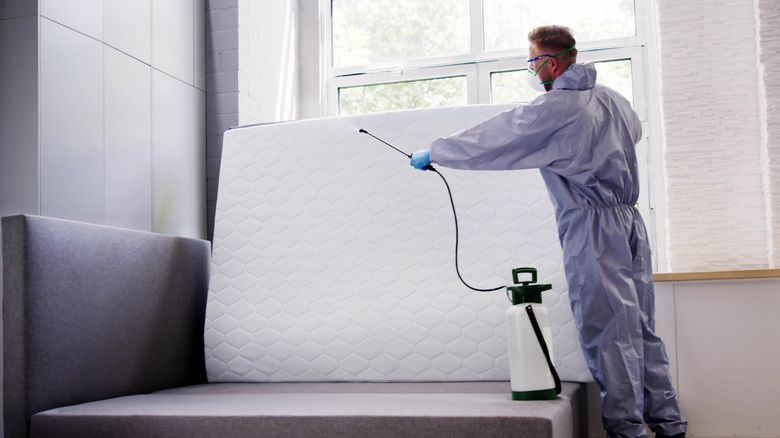
Understanding Household Pest Problems
Unwanted pests can affect comfort, cleanliness, and the condition of a property. Bedbugs can spread through sleeping areas and furniture, while termites can damage wood and other structural materials. Identifying the problem early can make professional treatment more manageable.
Recognizing Bedbug Activity
Bedbugs often hide in mattresses, bed frames, furniture, cracks, and other sheltered locations. Small dark spots, shed skins, tiny insects, or unexplained bites may indicate their presence. Since they can remain hidden during the day, visible activity may not show the full extent of an infestation.
Checking Sleeping Areas
Bedrooms should receive careful attention when bedbugs are suspected. Mattress seams, box springs, headboards, furniture joints, and nearby cracks can provide hiding places. Regularly checking these areas can help homeowners notice signs before the infestation spreads further.
Understanding How Bedbugs Spread
Bedbugs can move from one location to another through luggage, clothing, furniture, bedding, and other personal belongings. They do not depend on poor cleanliness to survive. Careful inspection of items brought into the home can help reduce opportunities for them to spread.
Avoiding Unnecessary Treatment
Using random sprays or household products may not eliminate an established bedbug infestation. Some treatments can push insects deeper into hidden areas instead of solving the underlying problem. Professional assessment can help determine the most appropriate approach for the property.
Getting Professional Bedbug Assistance
Residential Bedbug Removal Services Raleigh NC can help homeowners address suspected or confirmed bedbug activity. Professionals can inspect common hiding locations and determine the extent of the infestation. Treatment methods may vary depending on the property and level of activity.
Recognizing Termite Warning Signs
Termites can remain hidden while causing damage to wooden structures. Mud tubes, damaged wood, discarded wings, hollow-sounding surfaces, or visible termite activity can indicate a potential problem. These signs should be investigated rather than ignored.
Checking Moisture-Prone Areas
Moisture can create conditions that may attract termites around a property. Leaking pipes, poor drainage, standing water, and damp areas should be addressed when possible. Keeping the property dry can support broader pest prevention efforts.
Inspecting Wooden Structures
Wooden framing, flooring, trim, decks, sheds, and other structures can be vulnerable to termite damage. Weakened or hollow areas may indicate activity beneath the surface. A professional inspection can help determine whether visible damage is connected to an active infestation.
Understanding Professional Termite Treatment
Termite Exterminators Company services can help property owners identify and address termite activity. Professionals can inspect vulnerable areas, locate signs of infestation, and recommend suitable treatment options. Early attention may help reduce the opportunity for termites to cause more extensive damage.
Protecting Entry Points
Small openings around windows, doors, foundations, pipes, and utility lines can provide access for pests. Sealing suitable gaps can help reduce potential entry routes. Regular exterior maintenance can also make new pest activity easier to notice.
Keeping the Home Clean
Clean surroundings can support general pest prevention. Food should be stored properly, spills should be cleaned promptly, and unnecessary clutter should be reduced. These habits can make it easier to notice unusual pest activity around the property.
Monitoring After Treatment
Pest treatment does not mean homeowners should stop watching for warning signs. Continued monitoring can help determine whether activity has decreased or whether additional attention may be necessary. Following professional recommendations can support better long-term results.
Preventing Future Infestations
Prevention involves more than treating visible pests. Homeowners should inspect incoming furniture, luggage, and other belongings for bedbugs while also maintaining exterior areas to reduce termite-friendly conditions. Addressing moisture and sealing potential entry points can also help.
Knowing When to Seek Help
Persistent pest activity should be professionally evaluated when basic prevention does not solve the problem. Repeated bedbug signs or evidence of termite damage may indicate that hidden colonies or infestations remain. Prompt attention can help prevent the situation from becoming more difficult to manage.
Protecting Your Home Long Term
Bedbugs and termites create different challenges, but both require careful attention. Regular inspections, proper maintenance, early detection, and professional treatment can help protect the property. Taking action when warning signs first appear can support a cleaner, safer, and more comfortable home.