
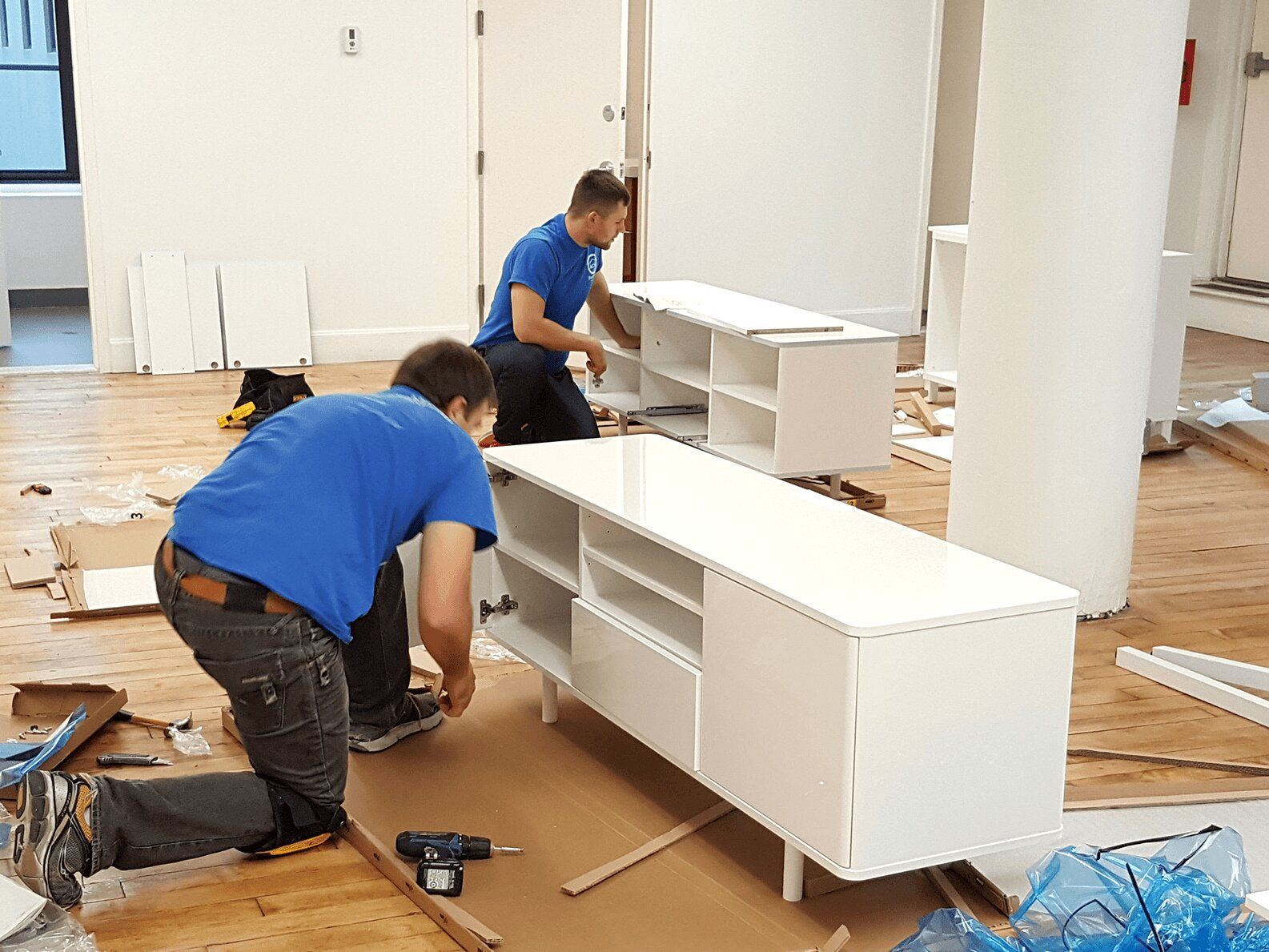
Understanding Furniture Preparation
Large furniture can make moving more difficult when it cannot easily pass through doors, hallways, or stairways. Proper preparation can make these items easier to handle and transport. Taking time to plan the process can also help reduce the chance of accidental damage.
Identifying Items That Need Disassembly
Beds, tables, shelving units, desks, wardrobes, and other large pieces may need to be separated into smaller sections. Not every item should be taken apart, so each piece should be assessed before moving. The goal is to make transportation easier without creating unnecessary work.
Protecting Furniture Surfaces
Furniture can become scratched or damaged when it is moved through tight spaces. Wrapping suitable surfaces with protective materials can help reduce contact with walls, floors, and other objects. Corners and delicate finishes deserve particular attention.
Keeping Hardware Organized
Small screws, bolts, brackets, and other hardware can easily become misplaced during disassembly. Each item's hardware should be kept together and clearly identified. This makes reassembly much easier when the furniture reaches its destination.
Measuring Tight Spaces
Before taking furniture apart, measure doorways, hallways, staircases, and other narrow areas. Knowing the available space can help determine whether disassembly is actually necessary. Careful measurements can also help prevent unnecessary handling.
Handling Furniture Carefully
Furniture Disassembly Triangle VA can help make large and complicated furniture easier to prepare for transportation. Professional assistance can be useful when furniture contains multiple components or requires careful handling. Proper disassembly can also make loading and unloading more manageable.
Protecting Delicate Components
Glass panels, mirrors, decorative parts, drawers, and removable shelves may require extra care. These components should be removed when appropriate and protected separately. Keeping delicate pieces secure can reduce the possibility of damage during transportation.
Preparing Furniture for Loading
Once furniture has been disassembled, the individual pieces should be organized for loading. Heavier components should be handled carefully, while smaller pieces can be grouped together. Good organization can help movers use available space more efficiently.
Avoiding Unnecessary Disassembly
Taking furniture apart unnecessarily can increase the chance of lost hardware or assembly problems. Some pieces may be easier to move as they are. A careful assessment can determine whether disassembly will actually make transportation safer or more convenient.
Working With Moving Professionals
Professional Moving Company services can provide support with furniture preparation, loading, transportation, unloading, and other moving tasks. Experienced movers can assess large items and use appropriate handling techniques. This can make the overall relocation more organized.
Protecting Floors and Walls
Moving large furniture can leave marks on floors or walls when items are dragged or turned through tight spaces. Protective coverings and careful handling can help reduce these risks. Clear pathways can also make the process safer and more efficient.
Preparing for Reassembly
Furniture should be reassembled according to its original structure and hardware. Keeping instructions, labels, and components organized can simplify this stage. Taking photographs before disassembly can also provide a useful reference when needed.
Managing Heavy Furniture
Heavy furniture can be difficult to lift and carry safely without proper equipment or assistance. Attempting to move large pieces alone may increase the risk of injury or property damage. Professional movers have experience handling bulky items and navigating difficult spaces.
Checking Furniture After Moving
After the furniture reaches its destination, each piece should be checked before reassembly. Look for missing hardware, damaged surfaces, loose components, or broken parts. Identifying concerns immediately makes it easier to address them during the moving process.
Making Moving Day Easier
Furniture preparation can have a major effect on the overall moving experience. Proper disassembly, organized hardware, surface protection, and careful handling can simplify transportation. Planning these details before moving day can save time and reduce unnecessary complications.
Protecting Your Furniture Investment
Well-maintained furniture can last for many years, so careful handling during a move is important. Taking the right steps before transportation can help protect valuable and bulky pieces. With proper preparation and professional assistance when needed, furniture can reach its new location safely and remain ready for continued use.