
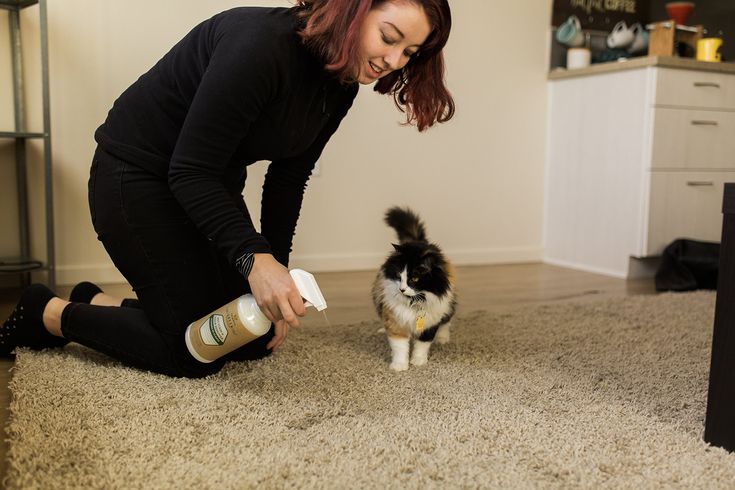
Understanding Pet Odors
Pet odors can become difficult to remove when accidents happen repeatedly or remain unnoticed for some time. Liquid can move beyond the visible surface and settle deeper into carpet fibers, padding, or flooring underneath. This is why simply spraying a fragrance over the affected area often provides only temporary relief. A proper cleaning approach should focus on identifying and treating the actual source.
Finding Hidden Sources
Not every pet accident is easy to see. Older stains may dry completely while leaving an odor behind. Professional cleaners can inspect carpeted areas carefully to locate spots that may not be obvious during a normal room inspection. Some cleaning professionals use specialized detection methods to identify affected sections before beginning treatment.
Understanding Carpet Absorption
Carpet consists of several layers, so pet urine does not always remain on the upper fibers. Depending on the amount and duration of the accident, moisture can move into the backing and padding beneath. This makes deep contamination more challenging than an ordinary surface stain. Treating only the visible area may leave odor-causing material behind.
Choosing Professional Treatment
Professional pet odor removal Chicago IL can provide a more targeted approach when regular household cleaning methods fail. Professional cleaners can assess the affected areas and select suitable cleaning products and extraction methods based on the carpet and the type of contamination. The goal is to address the source rather than simply cover an unpleasant smell.
Treating Carpet Thoroughly
Carpet cleaning for pet accidents often involves more than ordinary vacuuming. Depending on the situation, technicians may pre-treat affected areas before using an extraction process to remove loosened residue and moisture. Professional services in Chicago describe using deep extraction methods to reach contaminants within carpet fibers and remove them from the material.
Handling Older Odors
Older pet odors can be more challenging because contamination may have had more time to settle into carpet materials. Repeated accidents in the same location can also increase the affected area. A professional evaluation can help determine whether surface treatment is sufficient or whether the odor has moved deeper into the flooring system.
Protecting Carpet Fibers
Cleaning products should be selected carefully because different carpets can react differently to chemicals, moisture, and agitation. A suitable treatment should address the odor without unnecessarily damaging the carpet's color or texture. Professional cleaners may test materials or assess the carpet before applying specialized products, particularly when dealing with delicate flooring.
Improving Indoor Freshness
Persistent pet smells can make an otherwise clean room feel unpleasant. Removing the source can improve the overall freshness of bedrooms, living rooms, hallways, and other carpeted areas. Pet Odor Carpet Cleaning can be particularly useful when routine vacuuming and standard household products have not produced satisfactory results.
Avoiding Excessive DIY Treatment
Repeatedly applying household products to a carpet can sometimes create additional cleaning challenges. Too much moisture may move contaminants deeper into the carpet or padding, while unsuitable chemicals may affect the carpet's appearance. Professional guidance can help homeowners avoid using products or methods that are not appropriate for their particular flooring.
Addressing Stains and Odors Together
Pet accidents can leave both visible discoloration and unpleasant smells. Treating only the odor may leave a noticeable stain, while focusing only on the stain may not address deeper contamination. A comprehensive cleaning approach considers both issues and determines which treatment is appropriate for the affected carpet.
Knowing When Replacement May Be Needed
Most pet odor problems do not automatically mean the carpet must be replaced. However, severe contamination can sometimes extend into padding or the subfloor. In those situations, surface cleaning may not be enough to produce the desired result. A professional assessment can help homeowners understand whether cleaning is practical or whether affected materials require additional work.
Preventing Future Odors
Regular vacuuming, quick cleanup of accidents, and prompt attention to recurring problem areas can help maintain fresher carpets. Homeowners should also watch for repeated accidents in the same location, as this may indicate that an odor remains. Addressing new incidents quickly can make professional cleaning more effective and reduce the chance of deeper absorption.
Maintaining a Fresher Home
Pet ownership and clean carpets can go together with the right maintenance routine. When odors become persistent, identifying the source and using an appropriate cleaning process is more effective than simply masking the smell. Professional assessment, careful treatment, thorough extraction, and regular maintenance can help homeowners keep carpeted spaces cleaner, fresher, and more comfortable.