
Understanding Exterior Cleaning
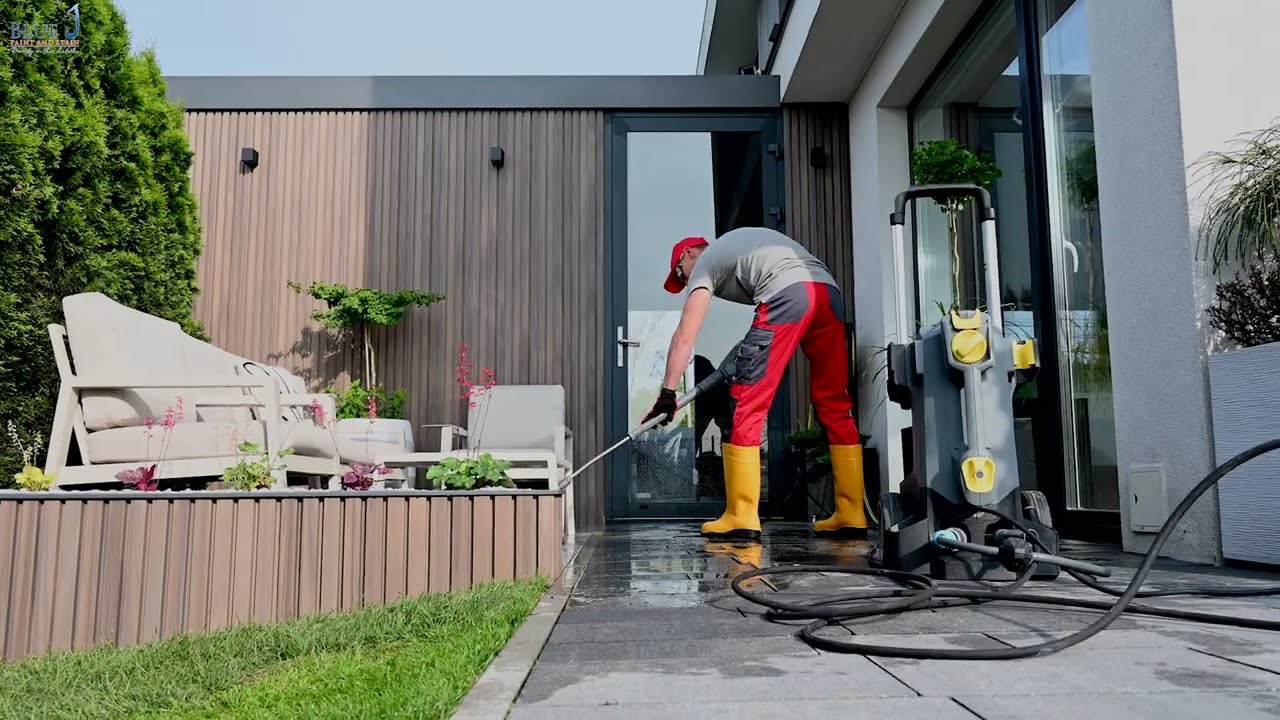
Outdoor surfaces naturally collect dirt, dust, pollen, algae, mildew, and other buildup. Over time, these materials can make a property look neglected and may contribute to surface deterioration. Regular exterior cleaning helps restore a cleaner appearance while allowing homeowners to notice damaged areas that may need repair. Professional cleaning can be useful for both residential and commercial properties.
Removing Dirt and Buildup
Sidewalks, driveways, patios, walls, fences, and other outdoor surfaces are exposed to weather throughout the year. Rain can leave behind dirt, while humidity can encourage organic growth. Pressure Washing Services in River Ridge LA can help remove stubborn buildup from suitable surfaces and improve their overall appearance. The cleaning method should always match the material being treated.
Protecting Exterior Surfaces
Regular cleaning can help prevent certain contaminants from remaining on exterior materials for long periods. Mold, mildew, and algae can affect the appearance of siding and other surfaces, while accumulated grime can make maintenance more difficult. Professional pressure washing can remove many forms of surface buildup and help keep outdoor areas in better condition.
Cleaning Driveways and Walkways
Driveways and walkways experience constant foot and vehicle traffic. Dirt, tire marks, mud, stains, and organic growth can gradually change their appearance. A suitable cleaning process can help restore a more uniform look and make these areas appear better maintained. Clean walkways can also create a more welcoming entrance for residents and visitors.
Refreshing Home Exteriors
Exterior walls can accumulate dust and environmental residue that ordinary household cleaning may not remove easily. Depending on the material, professionals may use different pressure levels or softer cleaning techniques. High pressure is not appropriate for every surface, and excessive force can damage certain siding, paint, mortar, or other materials.
Taking Care of Concrete
Concrete is durable, but it can still develop stains and discoloration. Dirt, leaves, oil, algae, and other materials may settle into its surface. Professional cleaning can help improve the appearance of driveways, sidewalks, patios, and other concrete areas. The correct equipment and technique can remove buildup without unnecessarily affecting the surface.
Preparing Surfaces for Painting
Cleaning can be an important preparation step before certain exterior improvement projects. Paint and other coatings generally need a clean surface for proper application. Removing loose dirt, grime, and other residue can provide a better starting point for painting or refinishing work. However, surfaces should be allowed to dry properly and repaired where necessary before new coatings are applied.
Protecting Landscaping
Exterior cleaning should be planned carefully around plants, flower beds, grass, and other landscaping. Water, cleaning solutions, and loosened debris can affect surrounding areas if runoff is not managed properly. Professional cleaners should take reasonable steps to protect nearby landscaping and control wastewater. The EPA also recommends appropriate containment and wastewater management during certain pressure-washing activities.
Using the Correct Pressure
More pressure does not always mean better cleaning. Different materials can tolerate different levels of force, and using excessive pressure can damage surfaces. Brick, painted materials, wood, siding, and other exterior components may require a gentler approach. Professionals should consider the surface type, condition, and level of buildup before selecting equipment settings.
Cleaning Commercial Properties
Businesses also benefit from maintaining clean exterior areas. Building entrances, sidewalks, parking areas, storefronts, and other visible spaces can collect dirt quickly. A cleaner exterior can create a more professional first impression for customers and visitors. Scheduling cleaning around business hours can also help reduce disruption to normal operations.
Watching for Surface Damage
Cleaning can reveal problems that were previously hidden beneath dirt and organic growth. Cracked concrete, damaged siding, loose mortar, deteriorated paint, and other issues may become easier to see after a surface has been cleaned. Homeowners should address significant damage separately rather than assuming cleaning will correct structural or material problems.
Managing Water Runoff
Pressure cleaning produces wastewater that may contain dirt, debris, chemicals, paint particles, or other contaminants. Proper runoff management is therefore important. The EPA notes that wastewater from pressure washing should be handled appropriately and that local water treatment authorities may provide specific guidance.
Choosing Professional Help
A reliable cleaning professional should understand the differences between exterior materials and use appropriate methods for each one. Homeowners should ask what areas will be cleaned, which methods will be used, whether surrounding landscaping will be protected, and how wastewater will be managed. Clear communication can help ensure that the service matches the property's actual needs.
Maintaining a Cleaner Property
Exterior cleaning should be viewed as part of regular property maintenance rather than a one-time cosmetic task. The ideal schedule depends on the property's materials, surroundings, weather exposure, and amount of buildup. Regular observation can help homeowners decide when cleaning is needed and whether any surface repairs should be completed first.
Improving Long-Term Appearance
A clean exterior can make a property look brighter, better maintained, and more inviting. Careful cleaning can also help remove unwanted buildup before it becomes harder to manage. By using appropriate pressure, protecting surrounding areas, managing runoff, and selecting suitable cleaning methods, property owners can maintain attractive outdoor spaces while reducing unnecessary risks to their surfaces.