
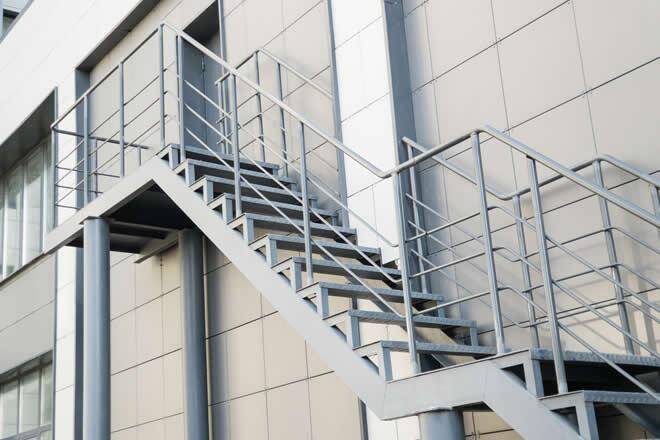
Understanding Metal Staircase Needs
Metal stairs can provide a durable solution for residential properties that need reliable access between different levels. Their strength and clean appearance can work well with many architectural styles. Proper planning is important to ensure the finished staircase fits the property and supports regular use.
Evaluating Available Space
The available space should be measured before staircase construction begins. Floor openings, ceiling height, wall positions, and walking areas can influence the final design. Accurate measurements can help prevent installation problems and make better use of limited space.
Choosing a Suitable Design
A staircase should provide comfortable movement while matching the property's overall appearance. Straight, angled, curved, and other configurations may suit different layouts. The design should be selected according to available space, intended use, and structural requirements.
Focusing on Structural Strength
A staircase needs to support repeated daily use without unnecessary movement or instability. Materials, connections, supports, and installation methods all contribute to its strength. Proper construction can help create a dependable staircase that remains useful for many years.
Selecting Appropriate Materials
Metal staircases can be made using different types of steel and other suitable materials. The choice depends on the required strength, appearance, location, and expected use. Proper material selection can support durability while creating the desired visual finish.
Creating Residential Staircases
Residential Metal Stairs Bronx NY can provide homeowners with durable stair solutions designed for residential spaces. Professional fabrication and installation can take measurements, layout, railing requirements, and other details into consideration. A carefully planned staircase can combine practical access with an attractive appearance.
Considering Railing Options
Railings provide important support when people use stairs. Their design should complement the staircase while providing a comfortable and secure grip. Proper spacing, height, attachment, and finishing should all be considered during installation.
Improving Interior Appearance
Metal stairs do not have to look purely industrial. Different finishes, railing styles, steps, and design details can create a more refined appearance. Combining metal with wood, glass, or other materials can also produce a distinctive interior feature.
Planning Outdoor Applications
Metal stairs may also be useful for exterior areas such as entrances, decks, upper levels, and other access points. Outdoor structures require materials and finishes that can withstand changing weather conditions. Proper protection can help reduce corrosion and surface deterioration.
Creating Custom Structures
Custom Steel Structure Bronx NY solutions can be designed around the specific requirements of a property. Custom fabrication allows dimensions, supports, connections, railings, and other details to be considered together. This approach can be useful when standard staircase options do not fit the available space.
Checking Installation Requirements
Proper installation is essential for staircase stability and long-term performance. The structure should be positioned correctly and connected securely to the supporting areas. Careful installation can help prevent movement, uneven steps, and other performance concerns.
Considering Safety Features
Safety should remain a central part of staircase planning. Stable steps, secure railings, appropriate dimensions, and adequate lighting can make stairs easier to use. Homeowners should also consider how children, older adults, and frequent visitors will use the staircase.
Managing Surface Finishes
Metal surfaces can be finished in different ways depending on the desired appearance and location. A suitable finish can improve the look of the staircase while providing additional protection. Outdoor installations may require extra consideration because of moisture and weather exposure.
Maintaining Metal Stairs
Regular inspection can help identify loose connections, surface damage, corrosion, or worn finishes. Small concerns should be addressed before they become more significant. Keeping the staircase clean and maintaining its protective finish can also support long-term performance.
Reviewing the Completed Structure
After installation, the staircase should be checked carefully. Steps should remain stable, railings should feel secure, and connections should appear properly finished. Reviewing these details can help identify adjustments that may be needed before regular use begins.
Planning for Long-Term Use
A well-designed metal staircase should remain functional as the property continues to be used. Strong materials, careful fabrication, proper installation, and regular maintenance can all contribute to durability. Planning for future needs can also help homeowners avoid unnecessary modifications later.
Creating a Reliable Staircase Solution
Metal staircases can provide a strong combination of durability, functionality, and modern appearance. Careful measurements, suitable materials, custom design, and professional installation can help create a dependable result. With proper maintenance, a well-built staircase can remain a valuable part of the property for years.