
Understanding the Project
Interior construction requires careful planning before any work begins. The condition of the property, required materials, and project goals should all be considered.
A clear plan helps organize each stage. It can also reduce delays and prevent avoidable problems during construction.
Preparing the Work Area
The work area should be clean and ready before construction starts. Furniture, fixtures, and personal belongings may need protection or temporary removal.
Walls and ceilings should also be inspected. Existing damage, moisture, or other concerns should be addressed before new materials are installed.
Creating Smooth Wall Surfaces
A smooth wall provides a better foundation for painting and other finishes. Accurate measurements are important when preparing panels for different areas.
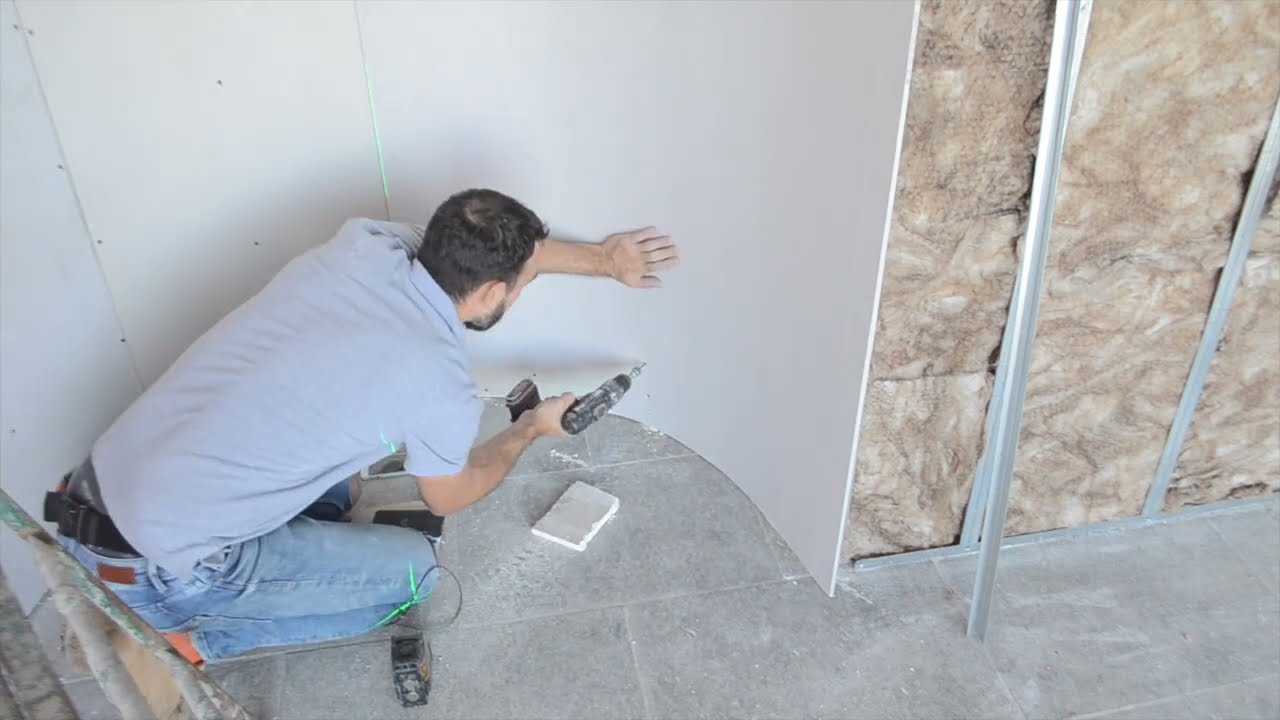
During Drywall Installation Ontario CA, professionals measure, cut, position, and secure panels carefully. Proper installation helps create straight walls and consistent surfaces.
Finishing the Surface Properly
Panel installation is only the beginning. Joints, corners, and fastener areas need proper finishing before the wall is painted.
Joint tape and finishing compound can help create a seamless appearance. Careful sanding also helps remove rough spots and visible imperfections.
Selecting Appropriate Materials
Every area of a property can have different construction needs. Rooms exposed to moisture may require materials that can better handle those conditions.
Material selection should also consider durability and the intended use of the space. Choosing suitable products can help reduce future maintenance concerns.
Coordinating Different Tasks
Many construction projects include more than wall work. Framing, flooring, painting, electrical work, plumbing, and other improvements may need to be completed.
Each task should follow the correct sequence. Poor coordination can cause delays or require completed work to be changed later.
Managing the Overall Project
General contracting services can help organize multiple construction tasks under one project plan. This approach can make scheduling and communication easier for property owners.
Proper coordination also helps different workers complete their responsibilities at the right time. A well-managed schedule can keep the project moving efficiently.
Maintaining Quality Workmanship
Small details can have a major effect on the finished appearance. Uneven cuts, loose materials, and poorly finished joints can become noticeable after painting.
Regular inspections help identify these issues early. Workers should check their progress throughout the project rather than waiting until the final stage.
Addressing Moisture Problems
Moisture can damage interior surfaces and should never be ignored. Water stains, soft areas, peeling finishes, or damp spots may indicate an underlying issue.
The source of the moisture should be addressed before new materials are installed. Covering the damage without fixing the cause may lead to repeated problems.
Keeping the Site Organized
An organized construction area can make the work safer and more efficient. Materials, tools, and equipment should be kept in appropriate locations.
Finished surfaces should also be protected from damage. Good site organization helps reduce unnecessary interruptions during the project.
Checking the Finished Surfaces
A final inspection gives property owners an opportunity to review the completed work. Walls and ceilings should be checked for uneven areas, visible imperfections, or unfinished sections.
Small corrections are easier to handle before the project is fully completed. A careful review can help ensure the finished space meets expectations.
Thinking About Long-Term Use
Construction should provide lasting value rather than only an immediate visual improvement. Proper installation and quality finishing can make surfaces easier to maintain.
Property owners should also consider how the space will be used in the future. Practical decisions during construction can support easier repairs and improvements later.
Improving Interior Comfort
Well-planned interior construction can improve both appearance and functionality. Smooth surfaces, proper finishing, and coordinated work can create a more comfortable environment.
A successful project depends on preparation and attention to detail. Taking care of each stage can help prevent unnecessary issues and improve the final result.
Building a Better Finished Space
Good construction combines planning, suitable materials, accurate installation, and careful finishing. Each part of the process contributes to the quality of the finished property.
With proper preparation and organized workmanship, property owners can achieve interiors that look clean and remain practical for everyday use.