
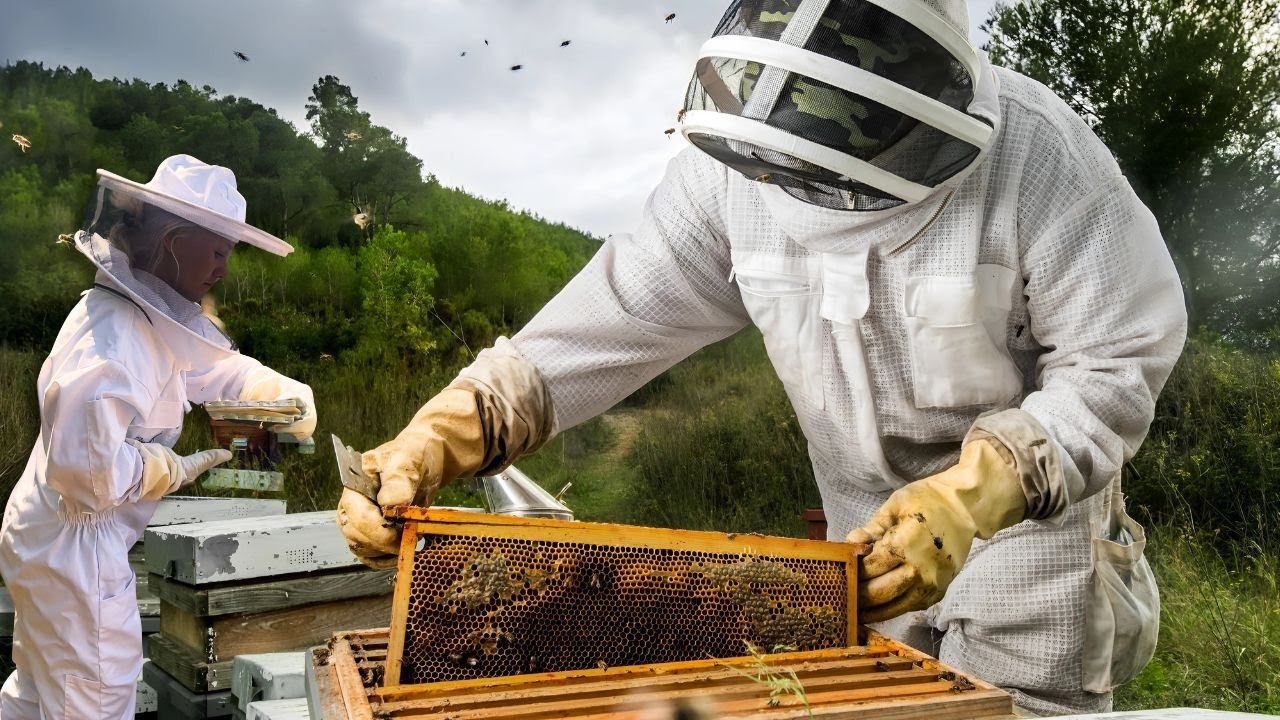
Understanding Bee Activity
Bees play an important role in the environment, but their presence inside or around a property can create concerns. A colony may establish itself in wall cavities, attics, trees, sheds, or other sheltered areas. Understanding how bees behave can help property owners respond without unnecessary harm.
Recognizing a Bee Colony
A few bees around a property do not always mean there is an established colony. Repeated activity around one location may suggest that bees are entering or leaving a nesting area. Increased buzzing, visible bee traffic, or bees gathering near an opening can provide useful clues.
Checking Common Nesting Areas
Bees often choose protected locations that provide shelter from weather and disturbance. Wall voids, chimneys, roof spaces, tree cavities, and outdoor structures can become suitable nesting areas. These locations should be approached carefully because disturbing an active colony may increase bee activity.
Avoiding DIY Removal Attempts
Trying to remove a colony without proper knowledge can create unnecessary risks. Sprays, smoke, sealing openings, or physically disturbing the nest may cause bees to become defensive. Professional assistance provides a safer way to evaluate the situation and determine an appropriate solution.
Understanding Professional Relocation
Residential Bee Relocation Services Westfield NJ can help homeowners address colonies found around residential properties. Professionals can identify the colony's location, assess its condition, and determine how it may be carefully removed and relocated. The approach can vary depending on where the bees have established their nest.
Protecting the Property
Bee colonies located inside walls or other structural spaces may require additional care. Removing the visible bees without addressing the nesting area can leave behind honey, wax, and other materials. These remains may attract pests or create unpleasant odors if they are not properly handled.
Preserving Healthy Colonies
Responsible relocation focuses on handling bees with care whenever possible. Bees are valuable pollinators, so removing them does not always need to mean destroying the colony. A thoughtful approach can help protect the bees while also addressing the homeowner's concerns.
Checking for Structural Access
After a colony has been relocated, entry points should be considered. Small openings around roofs, siding, vents, chimneys, or other areas may provide access for future nesting. Identifying these locations can help reduce the chance of another colony settling in the same space.
Addressing Nesting Conditions
Certain areas can naturally attract bees because they offer shelter and protection. Tree cavities, wall openings, abandoned structures, and protected outdoor spaces may become suitable locations. Keeping the property maintained can help reduce some unnecessary nesting opportunities.
Understanding the Relocation Process
A professional may begin by locating the colony and determining how it entered the property. The surrounding area can then be evaluated to understand the safest way to access the nest. Careful removal can help reduce disturbance and protect both the occupants and the colony.
Preparing for Professional Help
Homeowners should avoid blocking active bee entrances before an inspection. Sealing an opening while bees remain inside can force them into other parts of the structure. Keeping people and pets away from the immediate area can also make the situation easier to manage.
Protecting Family and Pets
Active bee colonies should be treated with caution, especially when they are located near doors, walkways, play areas, or frequently used outdoor spaces. Children and pets should remain away from the colony until the situation has been professionally assessed. This simple precaution can reduce unnecessary encounters.
Maintaining the Area After Removal
Once the colony has been removed, the affected location may need attention. Remaining nest materials, honey, or wax can create additional concerns if they are left inside a structure. Proper cleanup and suitable repairs can help restore the area.
Choosing an Appropriate Service
Bee Removal and Relocation should be handled by professionals who understand bee behavior and safe removal techniques. Homeowners should ask about the planned process, access requirements, cleanup, and prevention measures before work begins. Clear communication can help ensure the property receives appropriate attention.
Preventing Future Problems
Regular property maintenance can reduce potential nesting opportunities. Sealing suitable openings, maintaining outdoor structures, and checking sheltered areas can make the property less attractive to future colonies. Early attention to bee activity can also prevent a small concern from becoming a larger problem.
Keeping Your Property and Bees Safe
Bee colonies deserve careful treatment, while homeowners deserve a safe and practical solution. Professional assessment can help determine the best way to handle bees without unnecessary disturbance. With responsible relocation, proper cleanup, and preventative maintenance, property owners can protect their homes while supporting the preservation of valuable pollinators.