
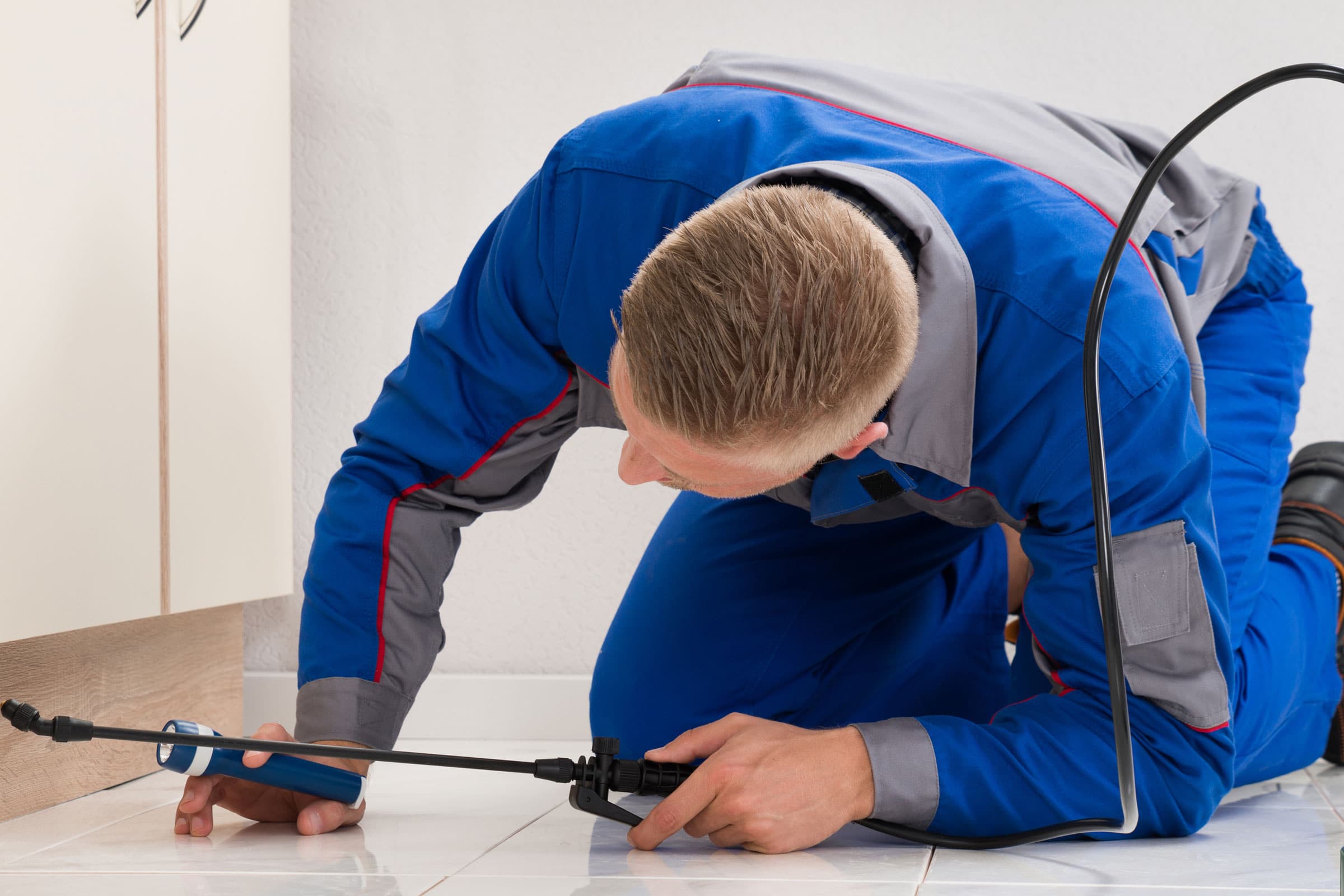
Understanding Termite Activity
Termites can cause serious damage while remaining hidden for long periods. They often work inside wood, walls, foundations, or other concealed areas, making early signs difficult to notice. Regular attention can help property owners identify potential activity before the damage becomes extensive.
Recognizing Common Warning Signs
Several signs may indicate termite activity around a property. Mud tubes, discarded wings, damaged wood, small openings, or hollow-sounding surfaces can all deserve closer attention. Some signs may look minor at first, but they can indicate an active or previous infestation.
Checking Vulnerable Areas
Certain parts of a property can provide favorable conditions for termites. Areas with moisture, wood-to-soil contact, poor drainage, or limited ventilation may deserve extra attention. Basements, crawl spaces, foundations, wall areas, and wooden structures should be checked carefully during an inspection.
Looking for Hidden Damage
Visible surfaces do not always show the full extent of a termite problem. Termites can move through concealed spaces and damage structural or decorative wood from inside. A professional inspection can help locate areas that may not be obvious during a normal visual check.
Understanding Professional Inspections
A detailed inspection involves more than simply looking for insects. Termite Inspection Services in Longwood FL can help property owners identify visible evidence, potential entry points, moisture concerns, and areas where termite activity may be present. Professionals typically examine accessible areas throughout the property and document important findings.
Checking the Property Regularly
Regular inspections can be useful even when there are no obvious signs of termites. Early detection may provide more options for addressing a problem before it affects larger areas. Property owners should consider inspections as part of general property care rather than waiting until visible damage appears.
Paying Attention to Moisture
Moisture can make certain areas more attractive to termites. Leaking pipes, clogged gutters, poor drainage, and standing water can contribute to damp conditions around a property. Fixing moisture problems can help reduce conditions that may support termite activity.
Inspecting Wooden Structures
Wooden components should receive careful attention during property inspections. Damaged flooring, framing, trim, cabinets, decks, and other wood features can show signs of termite activity. Changes in texture, hollow areas, weakened sections, or visible galleries may indicate that further evaluation is needed.
Understanding Inspection Findings
An inspection does not always mean that termites are currently active. Professionals may find evidence of previous activity, conditions that could attract termites, or areas requiring additional monitoring. Understanding the difference can help property owners make better decisions about the next steps.
Taking Preventive Measures
Prevention can reduce the likelihood of future problems. Property owners can keep wood away from direct soil contact, maintain proper drainage, repair leaks, and remove unnecessary wood debris from around the property. Regular maintenance can also make termite activity easier to notice.
Preparing for an Inspection
Property owners can make an inspection easier by providing access to important areas. Crawl spaces, storage areas, garages, utility spaces, and other accessible locations should be reasonably clear when possible. Information about previous damage, repairs, or unusual signs can also help the inspector understand the property's history.
Understanding the Inspection Process
A professional may inspect both the interior and exterior of a property. The inspection can include accessible structural areas, wooden components, foundations, moisture-prone locations, and possible entry points. The exact process can vary depending on the property's construction and accessibility.
Reviewing the Final Report
A written inspection report can help property owners understand what was found. It may identify visible evidence, areas of concern, conducive conditions, or recommendations for further evaluation. Reviewing the information carefully can help determine whether additional action is necessary.
Knowing When Further Action Is Needed
Visible termite evidence should not be ignored. Termite Inspection can help determine whether signs require additional investigation or whether preventive measures should be considered. Acting promptly can help limit the opportunity for hidden damage to continue.
Protecting Your Property Long Term
Termite protection requires ongoing attention rather than a one-time effort. Regular inspections, moisture control, property maintenance, and quick attention to warning signs can support better protection over time. Keeping the property in good condition also makes potential problems easier to identify.
Maintaining a Safer Investment
A property represents a significant investment, and hidden termite damage can affect both its condition and value. Regular professional inspections can provide useful information about potential risks and help owners respond appropriately. With consistent maintenance and early attention to warning signs, property owners can take practical steps toward protecting their property for the long term.