
Understanding Your Moving Needs
Moving to a new home can feel overwhelming when many tasks need attention at once. Creating a clear plan can make the process easier and help you stay organized. Start by considering the size of the move, the number of belongings, and the expected moving date.
Creating a Moving Timeline
A timeline gives you specific goals to complete before moving day. Begin with tasks that require more time, such as sorting belongings, arranging transportation, and preparing important documents. Leaving smaller tasks for the final days can make the process more manageable.
Sorting Your Belongings
Moving is a useful opportunity to decide what you actually want to take with you. Separate belongings into items you want to keep, donate, sell, or discard. Reducing unnecessary possessions can mean fewer boxes and less work during transportation.
Packing Room by Room
Packing one room at a time can make the process easier to control. Label each box according to its room and include a brief description of its contents. This simple approach can make unpacking much easier after you reach the new property.
Protecting Fragile Items
Glassware, electronics, artwork, and other delicate belongings need additional protection. Use suitable packing materials and avoid placing too many heavy objects in one box. Clearly marking fragile boxes can also remind everyone to handle them carefully.
Preparing Furniture
Large furniture pieces may need to be disassembled before transportation. Removing detachable parts can make certain items easier to carry through doors, hallways, and staircases. Keep screws, bolts, and small hardware together so furniture can be reassembled without unnecessary confusion.
Planning Moving Day
Moving day usually involves several activities happening at the same time. Having boxes packed and pathways cleared before the movers arrive can help the process move more efficiently. Make sure important personal items remain accessible rather than being packed away with everything else.
Choosing Professional Assistance
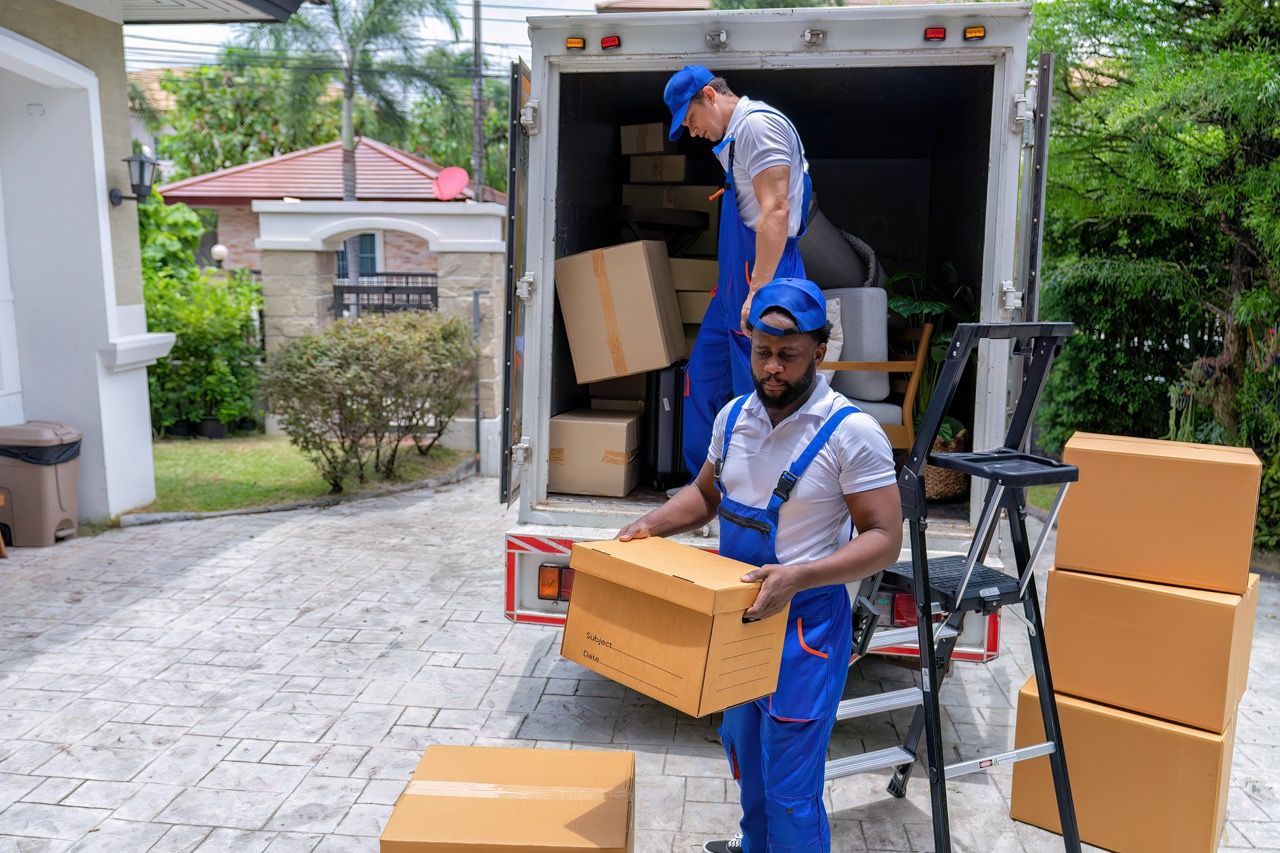
Moving Services in Falls Church VA can provide useful support when transporting household or commercial belongings. Professional movers can handle loading, transportation, unloading, and other moving-related tasks depending on the service selected. Their experience can also help reduce the physical effort involved in moving heavier items.
Keeping Important Items Separate
Certain belongings should remain with you during the move. Identification documents, medications, valuables, chargers, basic clothing, and essential personal items may be needed immediately. Packing these items separately can prevent them from becoming difficult to locate.
Protecting the Property
Both the old and new properties should be protected during the move. Doorways, floors, walls, and staircases can be vulnerable to scratches or accidental damage when large furniture is being moved. Using appropriate protective measures can help keep the properties in good condition.
Managing Utilities and Address Changes
Utility services should be planned around the moving date. Electricity, water, internet, and other essential services may need to be transferred or arranged at the new property. Updating your address with relevant organizations can also help prevent important mail or documents from going to the wrong location.
Preparing for Children and Pets
Moving can be stressful for children and pets because their familiar environment changes. Keeping them away from busy loading areas can improve safety during the move. Having familiar items available can also make the transition more comfortable.
Checking the New Property
Before unloading everything, it is helpful to inspect the new property. Check that doors, pathways, rooms, and major areas are accessible for furniture and boxes. Knowing where each item should go can help reduce unnecessary movement once unloading begins.
Unpacking Systematically
Unpacking everything at once can quickly create clutter. Start with essential items and focus on one room at a time. Setting up bedrooms, bathrooms, and basic kitchen items first can make the new property feel functional sooner.
Reviewing the Moving Process
After the move, check your belongings carefully for missing or damaged items. Keep important moving documents and receipts in an organized location. Taking a little time to review everything can help resolve any concerns while the details are still fresh.
Settling Into Your New Space
A successful move is about more than transporting boxes from one property to another. Good preparation, careful packing, organized transportation, and systematic unpacking can make the transition much easier. With a clear plan and the right support, you can settle into your new space with less stress and greater confidence.