
Understanding Hardwood Flooring
Hardwood flooring can give a home a warm and timeless appearance while offering long-term durability. Homeowners can choose from solid and engineered options, along with different wood species, colors, textures, and finishes. The right choice depends on the room, subfloor, lifestyle, and desired appearance. Professional installation also plays an important role in helping the finished floor perform properly.
Choosing the Right Material
Solid hardwood consists of natural wood throughout the plank, while engineered hardwood has a real wood surface over multiple layers. Both can be attractive choices, but their installation requirements can differ. Engineered flooring may be suitable for certain areas where solid wood requires additional consideration. A flooring professional can help homeowners compare available options before purchasing materials.
Checking the Subfloor
A stable subfloor is an important foundation for a successful flooring project. Installers should check whether the surface is clean, dry, level, and structurally suitable. Uneven areas or moisture concerns should be addressed before installation begins. Dallas homes with concrete slab foundations may require additional preparation and moisture considerations.
Considering Dallas Conditions
Dallas experiences changing temperature and humidity conditions, which can affect natural wood. Moisture levels should therefore be considered before installation. Proper preparation and acclimation can help the material adjust to the home's environment before it is installed. Taking these steps can reduce the risk of unwanted gaps, movement, or other flooring problems.
Planning the Floor Layout
The layout can have a major effect on the finished appearance. Installers need to consider room dimensions, board direction, transitions, doorways, and adjoining flooring. A carefully planned layout can create better visual flow between rooms. It can also reduce awkward cuts and help create a more balanced appearance throughout the property.
Preparing the Installation Area
Furniture and personal belongings should generally be removed from the work area before installation begins. The existing flooring may also need to be removed if it cannot serve as a suitable base. Professional installers can evaluate the space and determine what preparation is necessary before placing the new material.
Installing the Hardwood
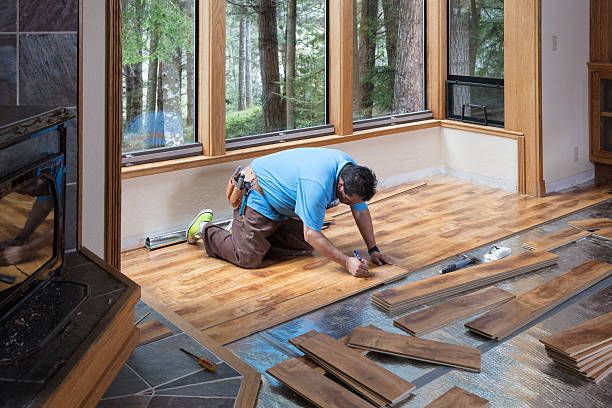
Hardwood Flooring Installation in Dallas requires careful measurements, accurate cuts, and suitable fastening or bonding methods. Depending on the flooring type and subfloor, installers may use nail-down, glue-down, or floating techniques. The selected method should match the flooring manufacturer's requirements and the conditions of the installation area.
Paying Attention to Transitions
Transitions connect hardwood with other flooring materials or different sections of the home. Poorly planned transitions can create uneven surfaces or an unfinished appearance. Professional installers carefully measure these areas and select appropriate transition pieces. This attention to detail can make the entire flooring project look more polished.
Choosing a Suitable Finish
Unfinished hardwood can be sanded and finished after installation, allowing homeowners to select a custom stain and sheen. Prefinished flooring arrives with its factory finish already applied and may shorten the finishing stage. The best option depends on the desired appearance, project schedule, and design requirements.
Protecting the New Floor
New hardwood should be protected from unnecessary traffic, moisture, dirt, and furniture movement during and immediately after installation. Furniture should be moved carefully rather than dragged across the surface. Felt pads under furniture legs can also help reduce scratches once the room is back in use.
Choosing Professional Flooring Services
Flooring Services can include more than installation. Depending on the provider, homeowners may receive help with material selection, subfloor preparation, installation, refinishing, repairs, and maintenance advice. Choosing an experienced installer can make it easier to manage the project from the initial measurements through the final inspection.
Maintaining Hardwood Floors
Regular maintenance can help preserve the appearance of a hardwood floor. Dust and loose particles should be removed regularly because they can contribute to surface wear. Spills should be addressed promptly, and cleaning products should be compatible with the floor's finish. Rugs and protective pads can also help reduce wear in busy areas.
Knowing When Professional Help Matters
Hardwood installation involves more than placing boards across a room. Moisture, subfloor condition, material selection, layout, installation method, and finishing all influence the final result. Professional preparation can help prevent avoidable problems and create a more stable finished floor.
Creating a Lasting Improvement
A properly installed hardwood floor can become a long-term feature of a home. Careful material selection, accurate preparation, professional installation, and regular maintenance can help preserve its appearance and performance. By planning each stage instead of rushing the project, homeowners can create flooring that complements their space and remains attractive for years.